
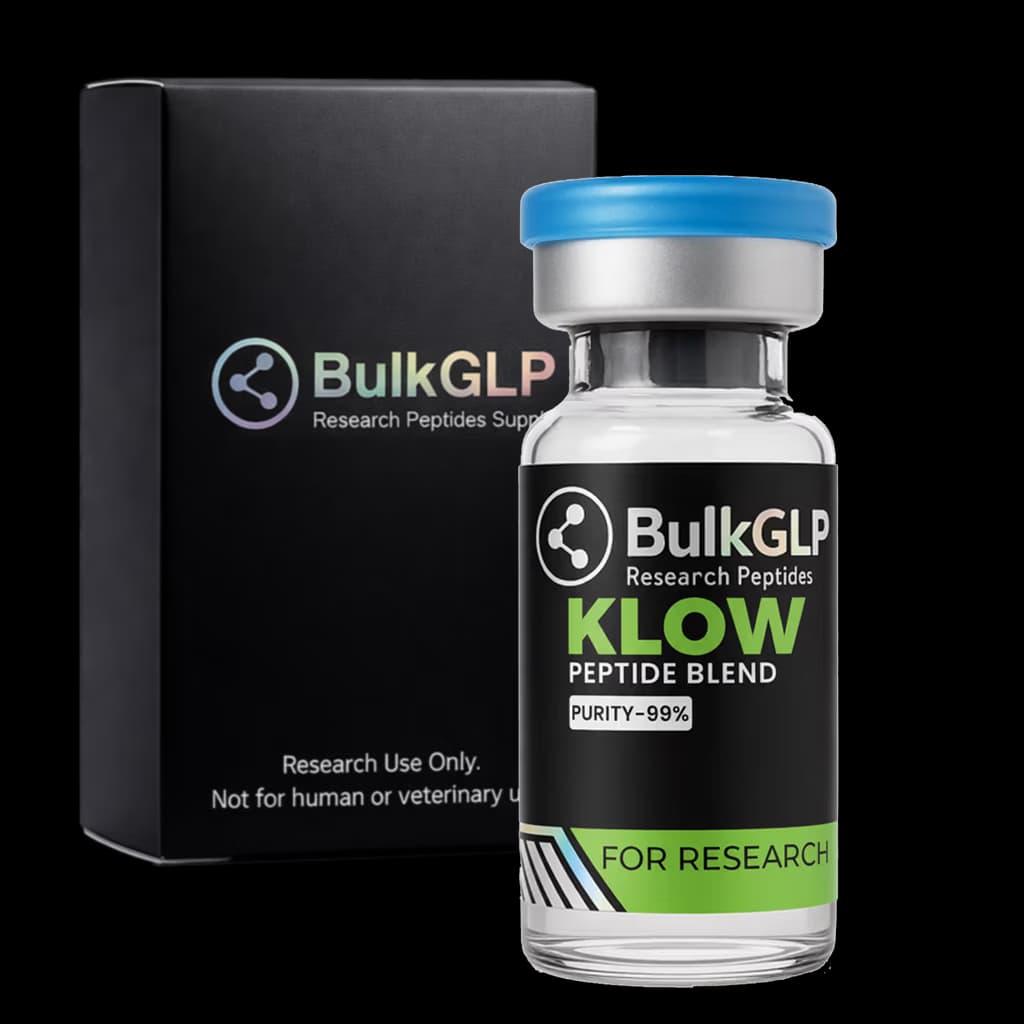
Matrix & Tissue Signaling Peptides
KLOW Peptide – BPC-157, KPV, TB-500, GHK-Cu
KLOW is a nominal 80 mg research blend containing BPC-157, KPV, TB-500 and GHK-Cu. The source identifies its TB-500 component as Ac-LKKTETQ, the acetylated seven-residue thymosin beta-4 fragment. Review current lot-specific identity and quantitative-content documentation. For laboratory research only; not for human or veterinary use.
View batch documentationAbout the KLOW blend
KLOW is a four-component research blend of BPC-157, KPV, TB-500 and GHK-Cu, with a nominal 80 mg total. Its TB-500 component is specified as Ac-LKKTETQ, the acetylated seven-residue fragment of thymosin beta-4. GHK-Cu is the only copper-bound ingredient; the other three are metal-free peptides.
The 80 mg figure covers the whole blend, not each ingredient, and the listing sets no ratio between the four. Buy one unit, or a 10-pack at 20% off per unit. The published COA for the current lot lists a measured amount for each of the four components. Without KPV, the remaining three are the components that make up the GLOW blend.
- Sizes
- 80 mg
- Order options
- Single or 10-pack · the 10-pack saves 20% per unit
- Latest lot report
- 99.80% reported purity · Lot 03210
- Ships
- Same business day when paid before 2 PM Central · USPS, UPS or FedEx with tracking
Research context and material documentation
Separate molecular identity and published research from the format supplied here and the results reported for an individual lot.
KLOW is a four-component research blend
KLOW is a formulation name for a mixture containing BPC-157, KPV, a TB-500-labeled component and GHK-Cu. The catalog describes a nominal 80 mg total. That total is not an amount for each ingredient and does not establish their proportions. A blend also has no single peptide sequence or molecular weight: each component retains its own chemical identity.
The source description specifies the TB-500-labeled component as Ac-LKKTETQ, an acetylated seven-residue fragment associated with thymosin beta-4. This qualification matters because the TB-500 label is used inconsistently across sources. This page does not substitute full-length thymosin beta-4 or assume that another supplier's TB-500 material is the same fragment.
Defining each ingredient before comparison
BPC-157 identifies a fifteen-residue peptide. KPV is the tripeptide Lys-Pro-Val. The acetylated fragment Ac-LKKTETQ differs in length and terminal chemistry from full-length thymosin beta-4. GHK-Cu introduces another distinction: Gly-His-Lys is the peptide ligand, while the supplied copper complex requires a metal-containing identity specification. Listing these names together does not resolve their salt forms, terminal chemistry or copper stoichiometry.
A complete blend specification therefore identifies every ingredient and the basis of its amount. It should distinguish nominal formulation targets from measurements of a submitted sample. Equal ingredient shares must not be inferred from an 80 mg total, and a component mass cannot be recovered from that total without additional composition data.
Analytical questions for a multi-component sample
A suitable identity assessment needs to distinguish all four intended components in the mixture. Detecting one expected mass does not confirm the other ingredients. Retention behavior, molecular ions, fragmentation and comparison materials may contribute evidence, but the report must identify which component each observation supports. Unresolved or overlapping signals require additional method development before they can be interpreted confidently.
Quantifying a mixture is different from reporting an overall chromatographic percentage. Peak areas can depend on detector response as well as amount, so a large peak cannot simply be assigned the same mass share. Component-specific content measurements need an appropriate quantitative basis, calibration and separation or selectivity. Review how the method treats the copper complex rather than assuming a free-peptide signal measures the entire GHK-Cu ingredient.
Evidence, batch records and laboratory suitability
Published experiments on an individual ingredient do not demonstrate that the complete KLOW blend has the same behavior. They also do not establish an additive or synergistic interaction among the four ingredients. Investigating a mixture requires controls that can separate the mixture response from the responses of its components and from the experimental matrix.
Match the received unit and lot to its actual documentation. Record any measured per-component amounts, the defined formulation, analytical limitations and documented handling requirements. A report for a different blend or a single ingredient cannot certify this formulation. Materials are supplied for laboratory research only; this reference contains no use schedule or preparation protocol.
Frequently asked questions
Does 80 mg mean 20 mg of each component?
No. The nominal total does not establish equal portions. The catalog description does not provide individual amounts, so this reference assigns no component ratio.
Can one CAS number or sequence describe KLOW?
No. Those identifiers belong to defined ingredients. KLOW is a multi-component formulation and needs a composition record rather than an invented single-molecule identifier.
Related research materials
Blend reference specifications
Reference identities do not establish a supplied lot’s analytical results.
- Material class
- Multi-component peptide / copper-peptide research blend
- Catalog-listed components
- BPC-157; KPV; TB-500 component specified as Ac-LKKTETQ; GHK-Cu
- Nominal total amount
- 80 mg for the catalog-listed unit; not component-specific measured content
- Component amounts and ratio
- Not established by the catalog description; no ratio assigned
- Single CAS registry number
- Not applicable to this multi-component formulation
- Single molecular formula
- Not applicable; the mixture is not one molecular entity
- Single molecular weight
- Not applicable; evaluate each specified component separately
- Single amino acid sequence
- Not applicable; ingredient identities require individual sequence / complex specifications
- Counterions, hydration and excipients
- Require formulation and lot documentation; not inferred from component names
Sources: PubChem: BPC-157 parent reference, CID 9941957 (opens in a new tab) · PubChem: Lys-Pro-Val / MSH (11-13), CID 125672 (opens in a new tab) · PubChem: prezatide copper reference, CID 71587328 (opens in a new tab) · USP researchers: reference standards and quality characterization of synthetic peptides (2023) (opens in a new tab)
Editorial review: · BulkGLP.
THE BULKGLP STANDARD
Quality tested.
Confidence delivered.
Our quality program combines independent lab testing for purity, identity and content with published batch reports. See the results behind BulkGLP quality and shop with confidence.
For the limits of a report and the distinction between identity, purity and content, read public analytical verification.
CONTINUE EXPLORING
Related research products.
 In stock
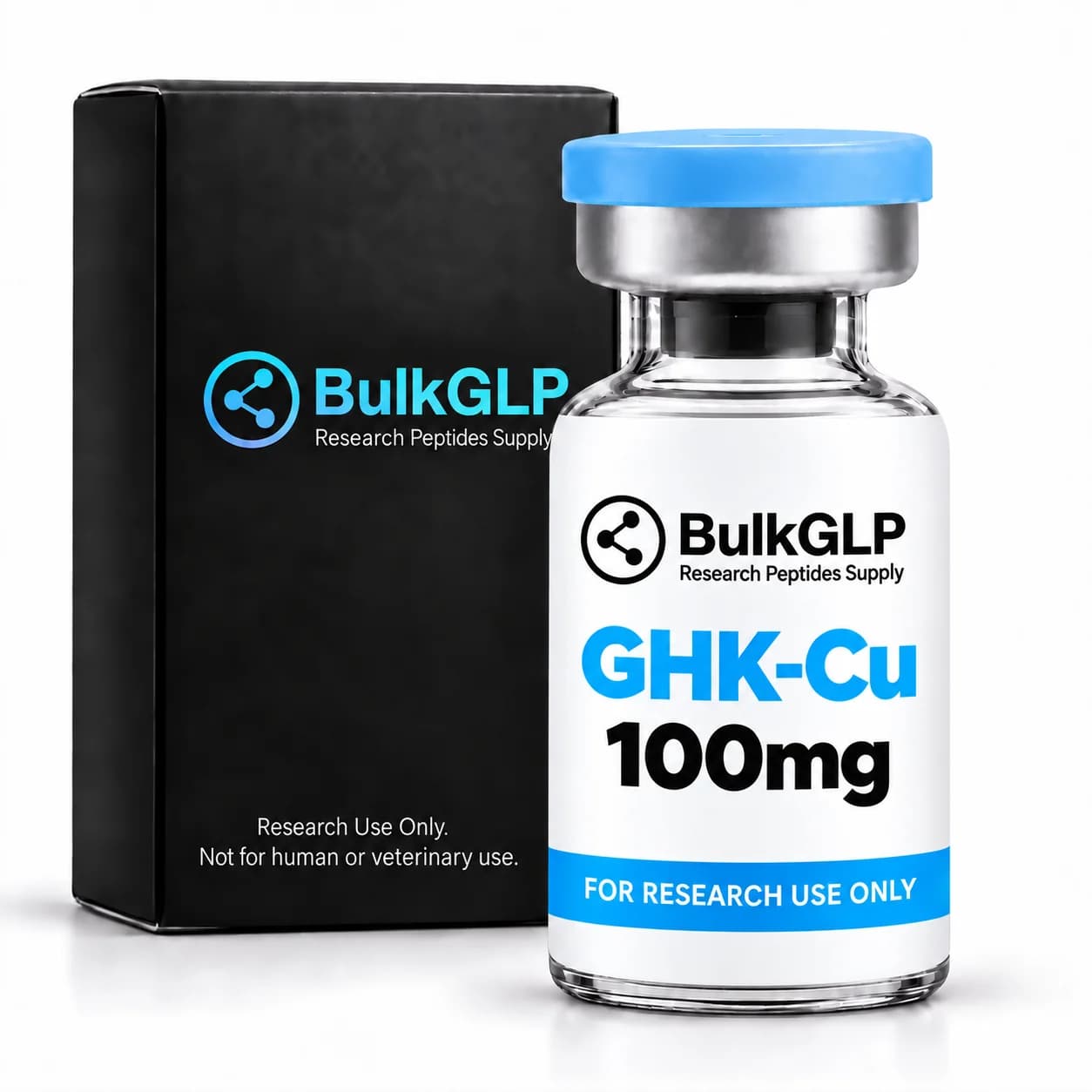
GHK-Cu Peptide (GHKCu) — 100mg Research Vial
2 format options
 In stock
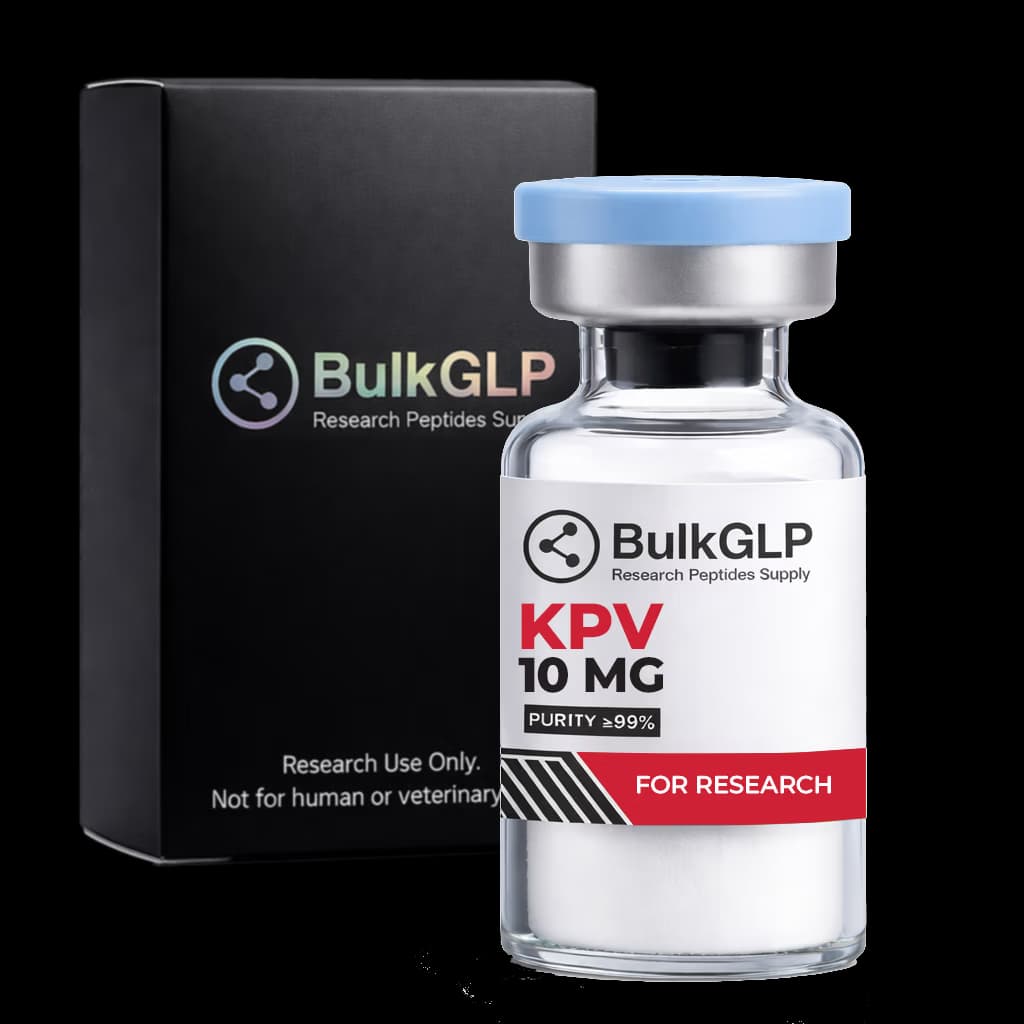
KPV Peptide – 10 mg Research Vial
2 format options
 In stock
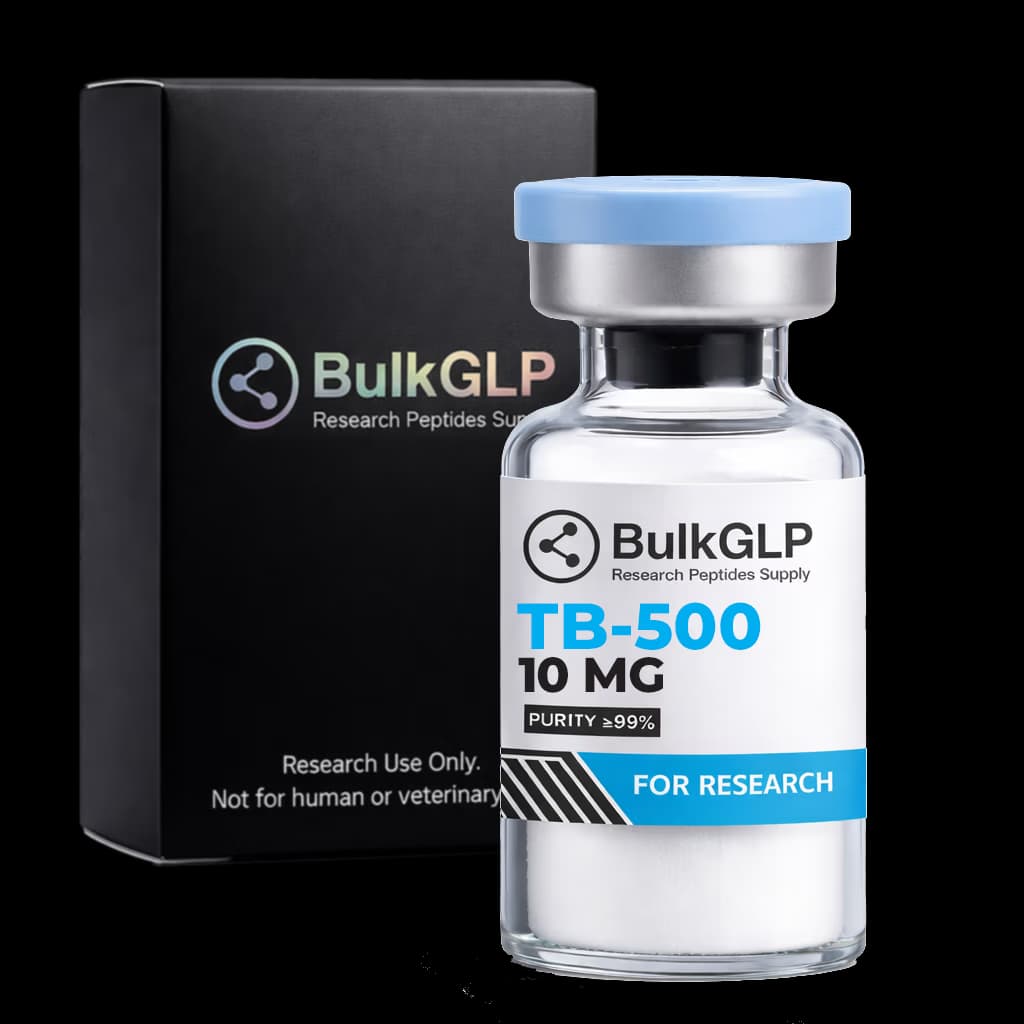
TB-500
2 format options
 In stock
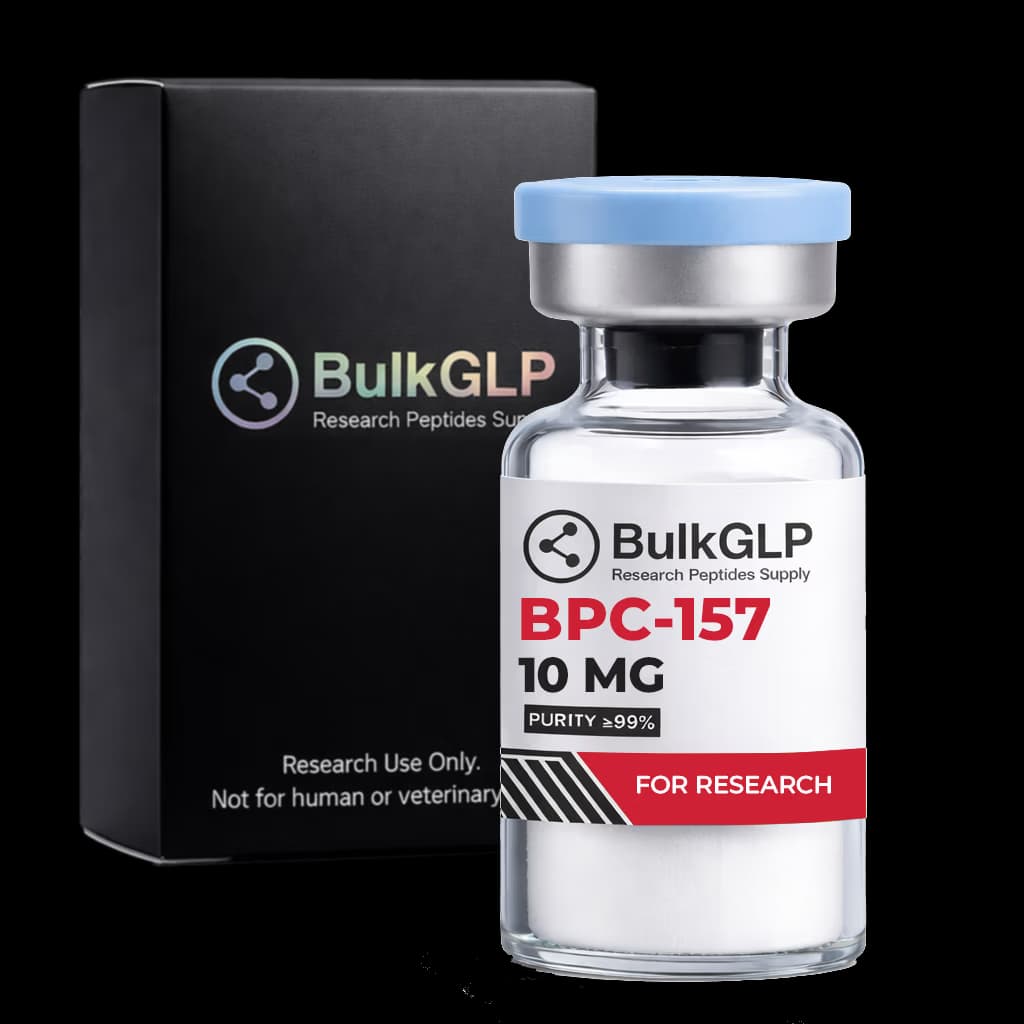
BPC-157 Research Peptide – 10 mg Vial
2 format options