Product identity
Review the compound, size and formulation before selecting a research format.

Trusted by over 5,000 customers since 2025
Discover Cutting-Edge Research Peptides
Explore our range of high-purity GLP-1, GIP, and Glucagon receptor peptides, including Retatrutide and Semaglutide, designed for advanced scientific studies.
LABORATORY RESEARCH ONLY
THE BULKGLP STANDARD
Every peptide tested multiple times.
View our testingTHE RESEARCH COLLECTION
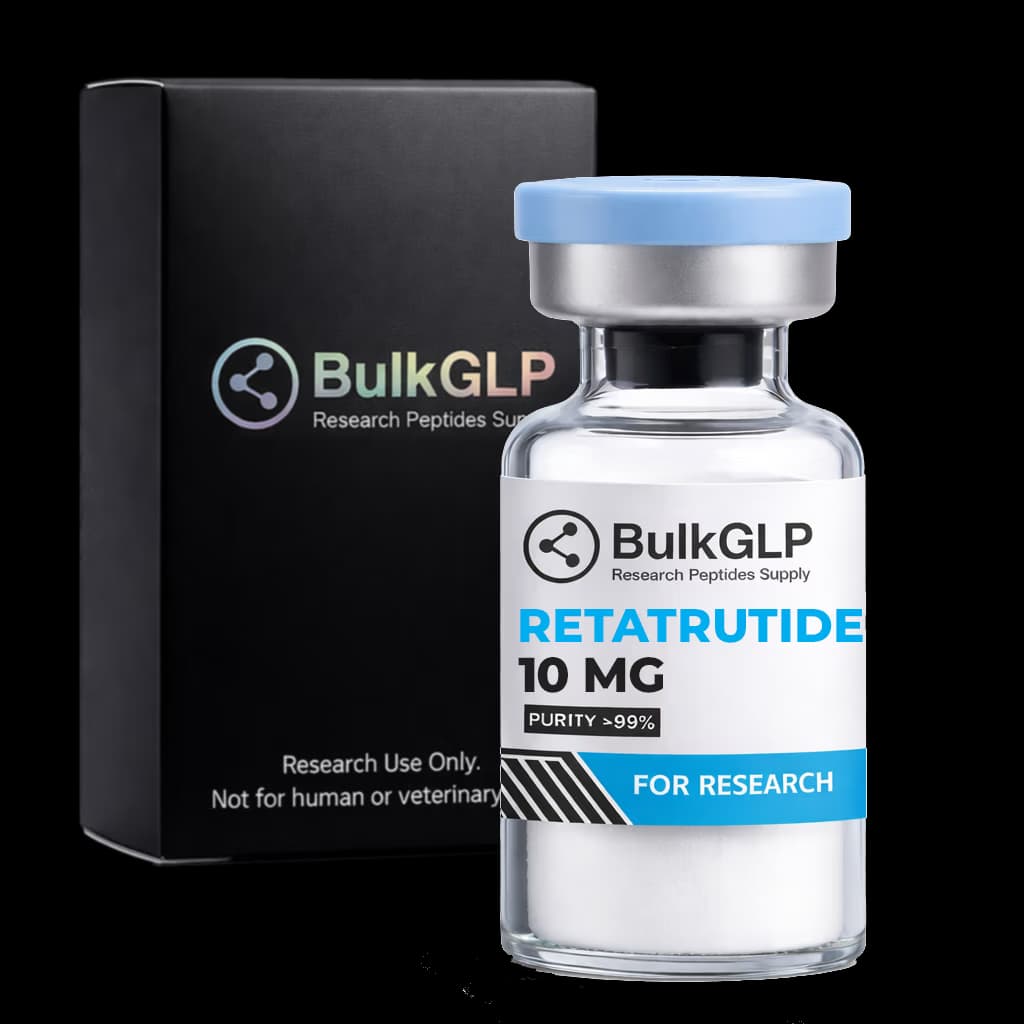
The complete collection. Bulk Retatrutide vials are available in 10mg, 12mg, 15mg, 20mg, 30mg, and 50mg strengths.
47 of 47 products
 In stock
 In stock
 In stock
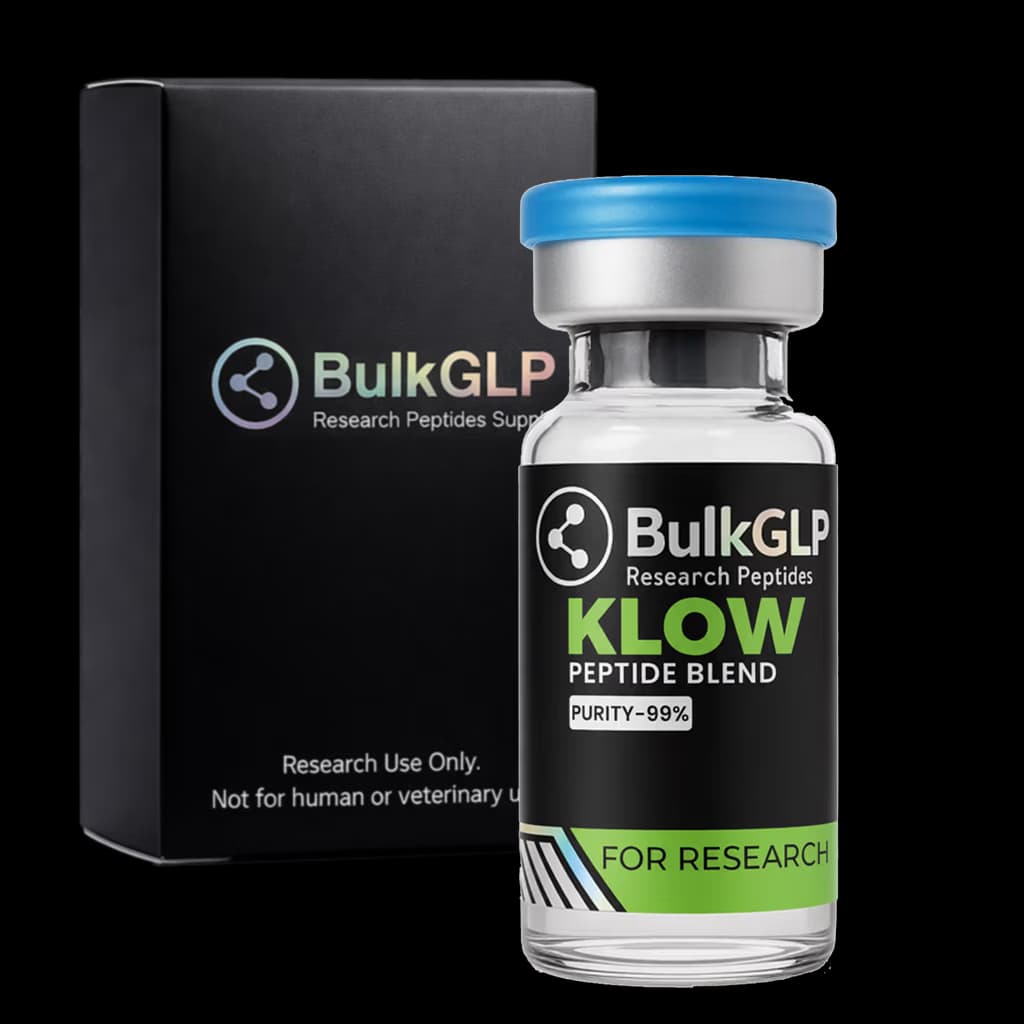 In stock
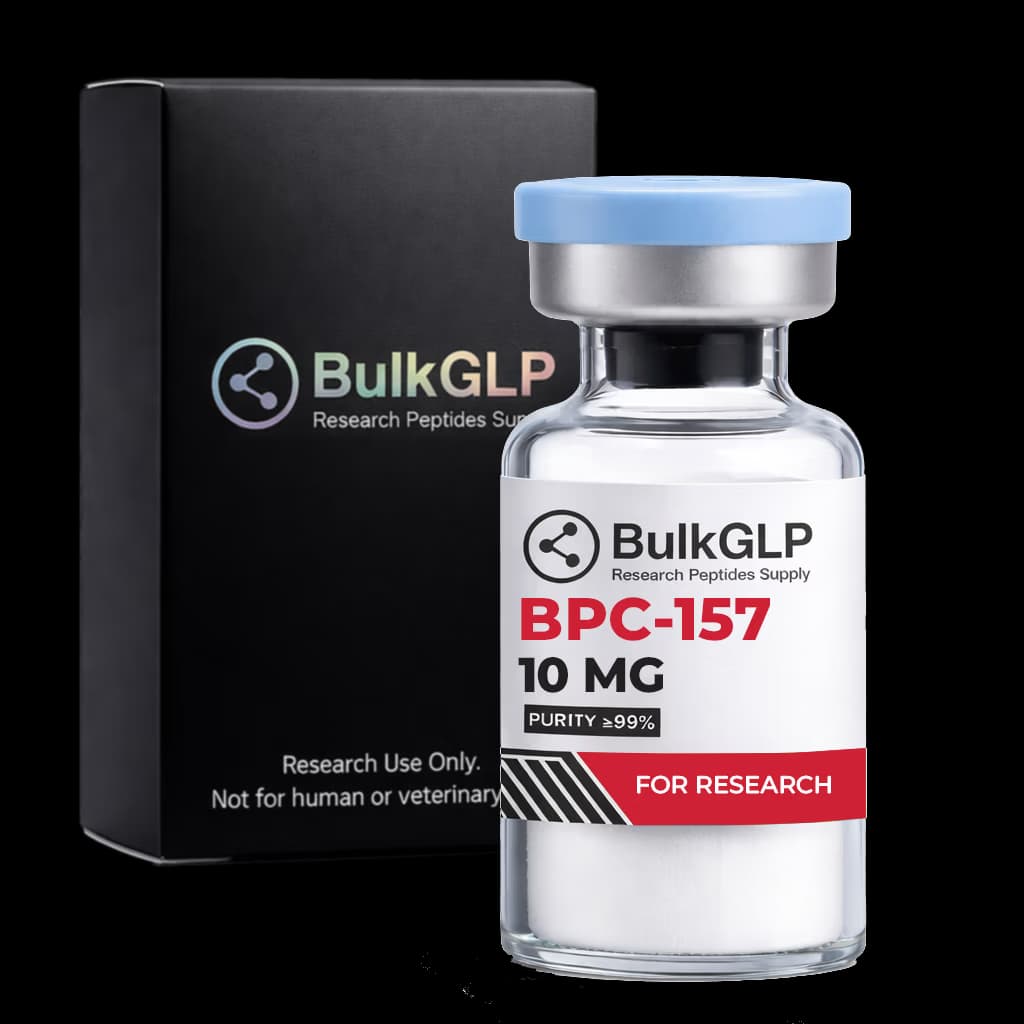 In stock
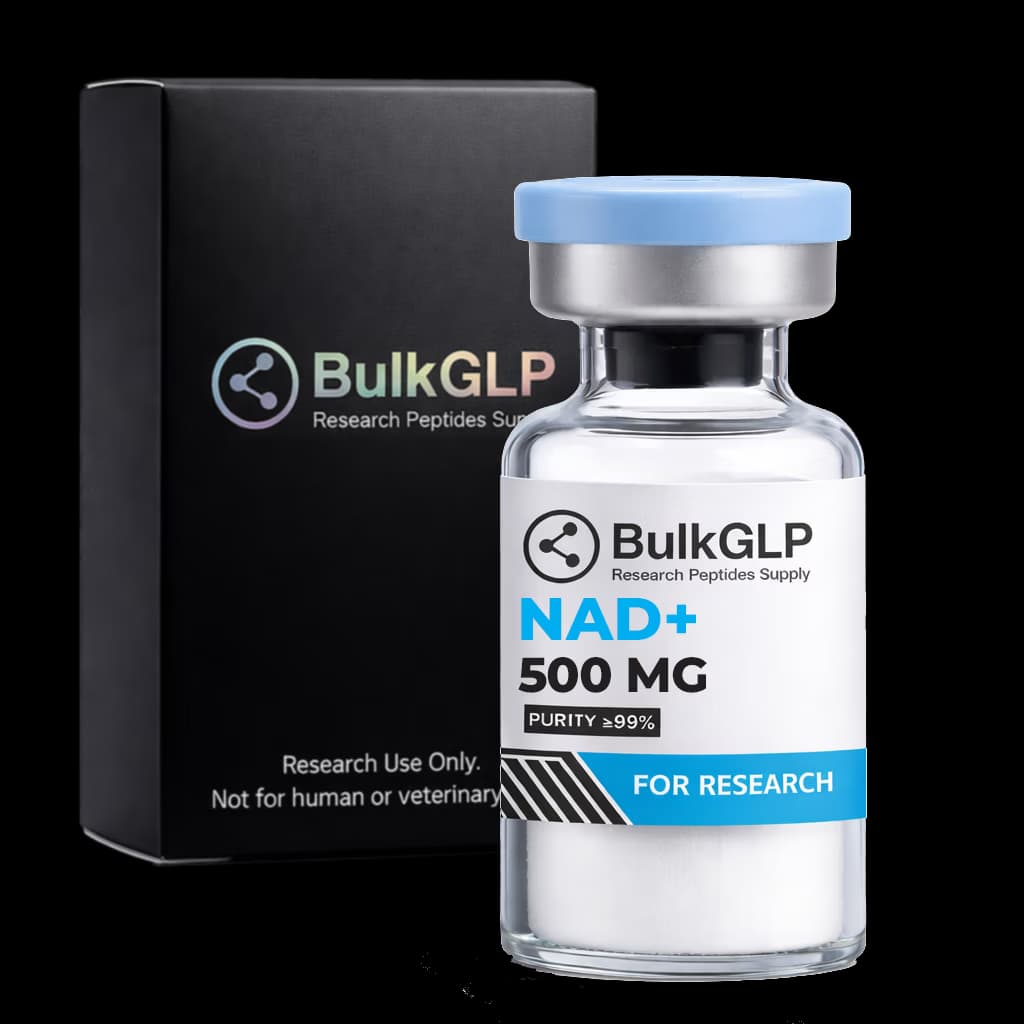 In stock
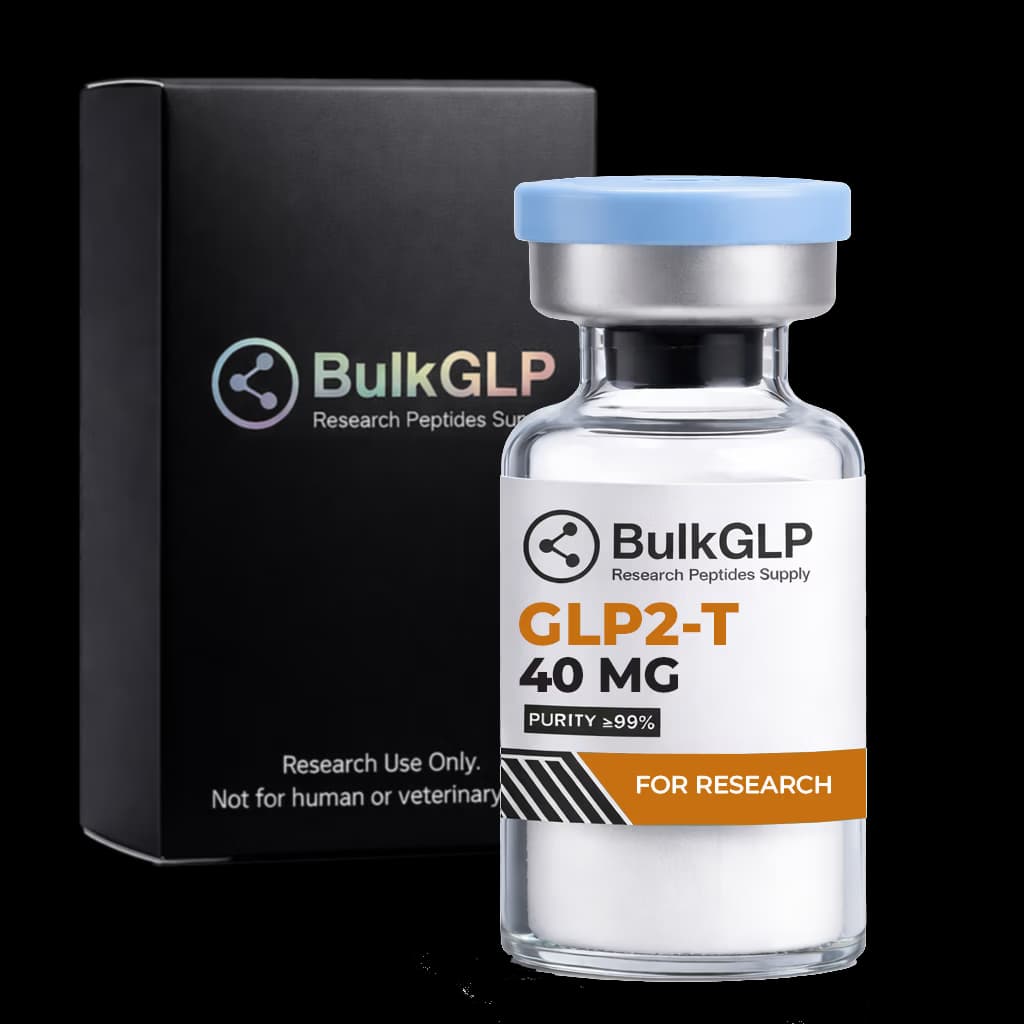 In stock
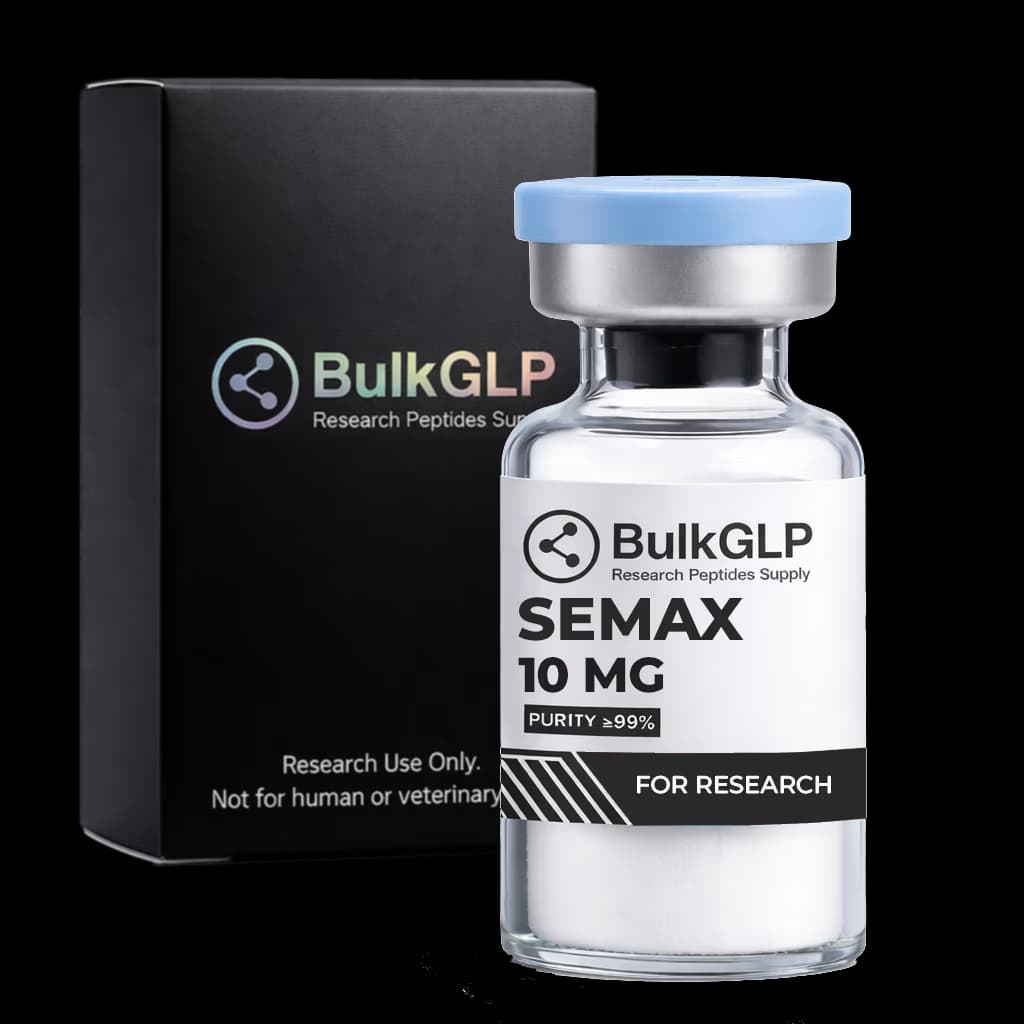 In stock
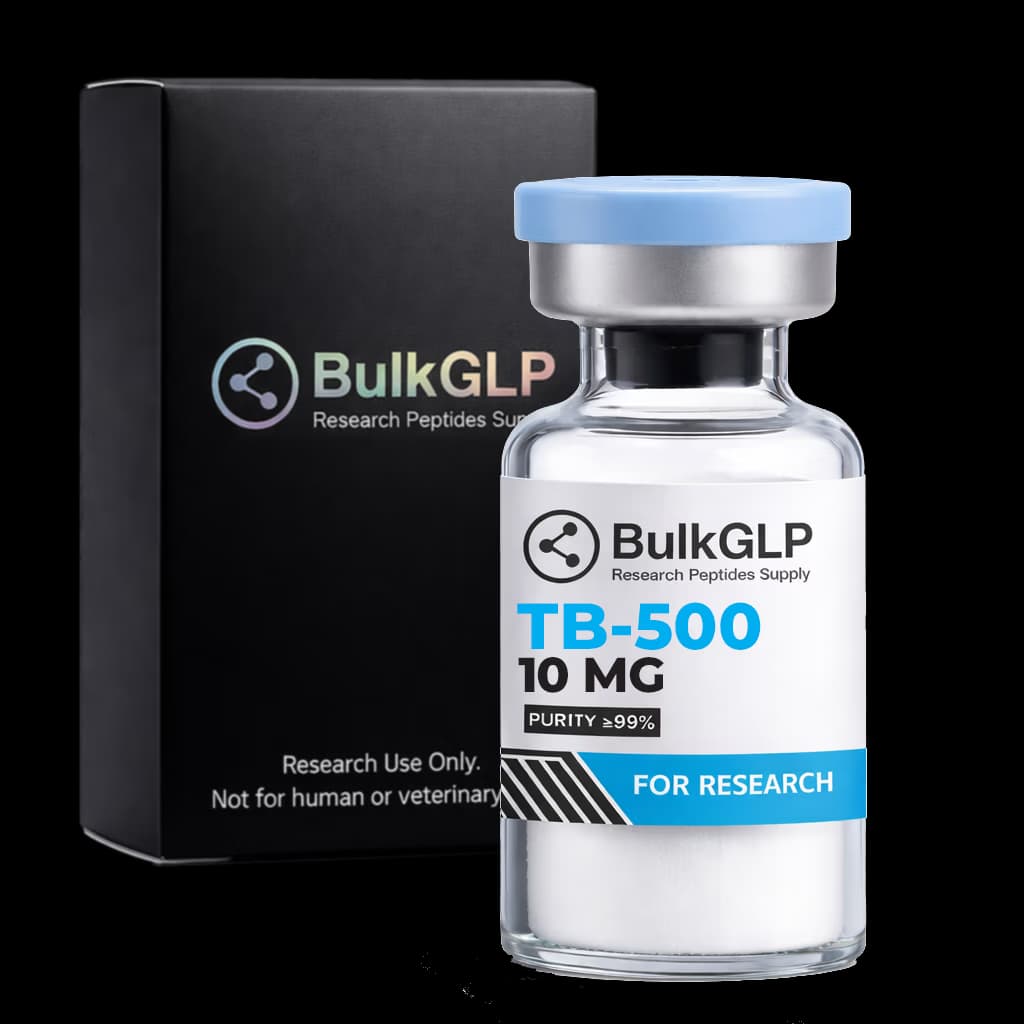 In stock
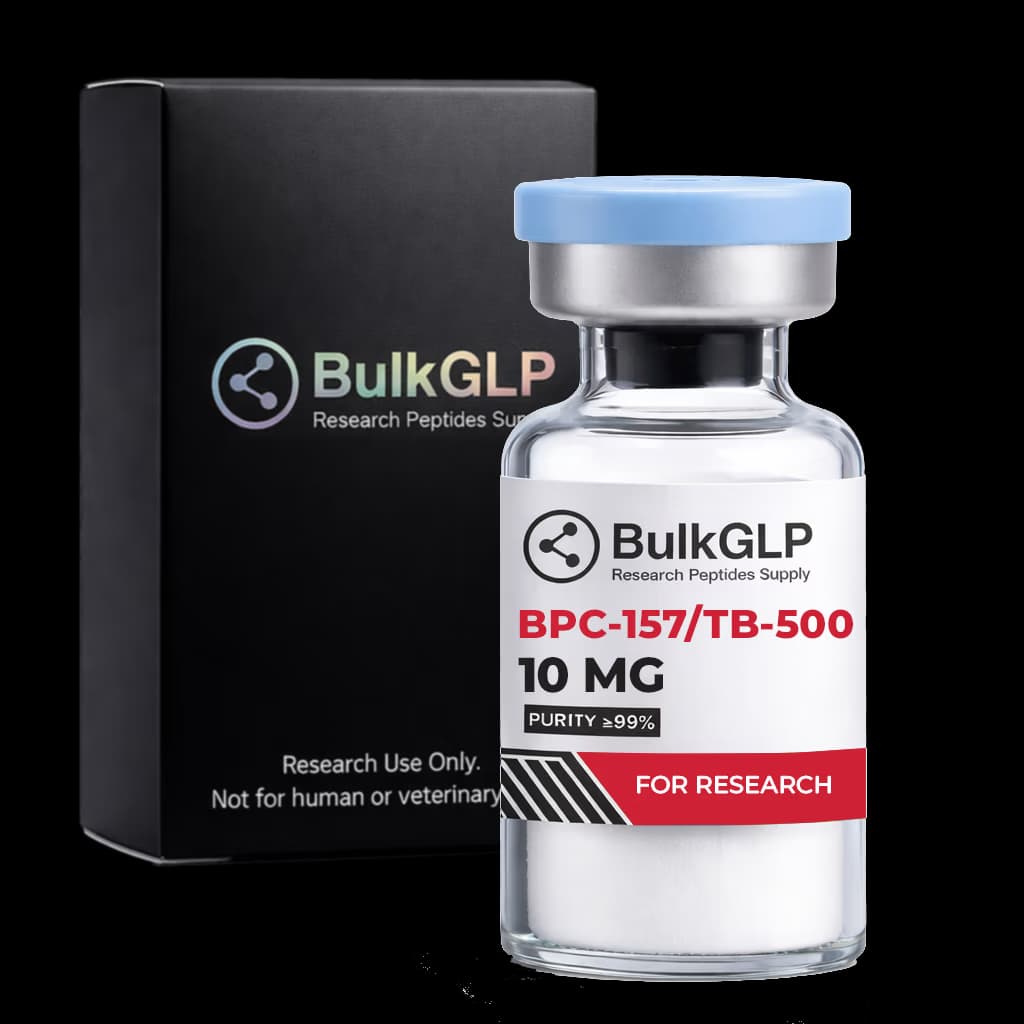 In stock
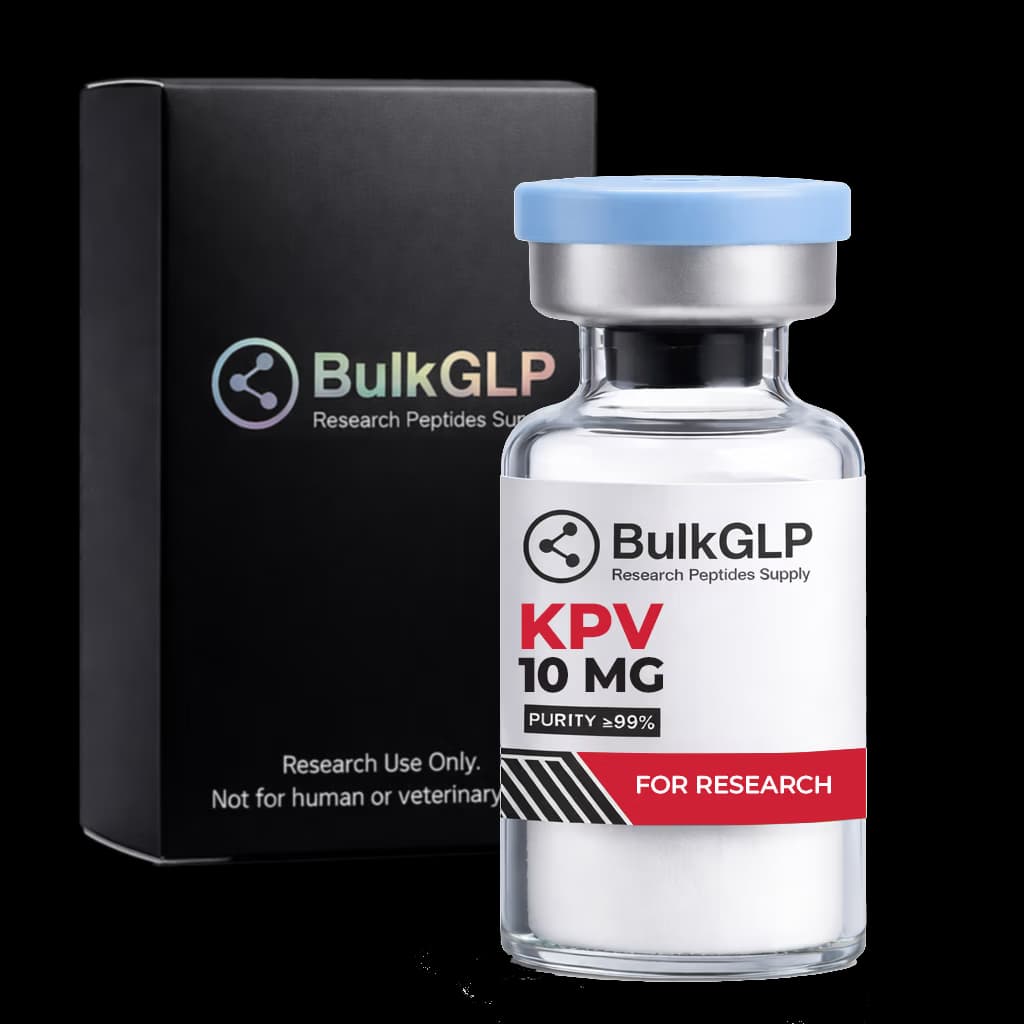 In stock
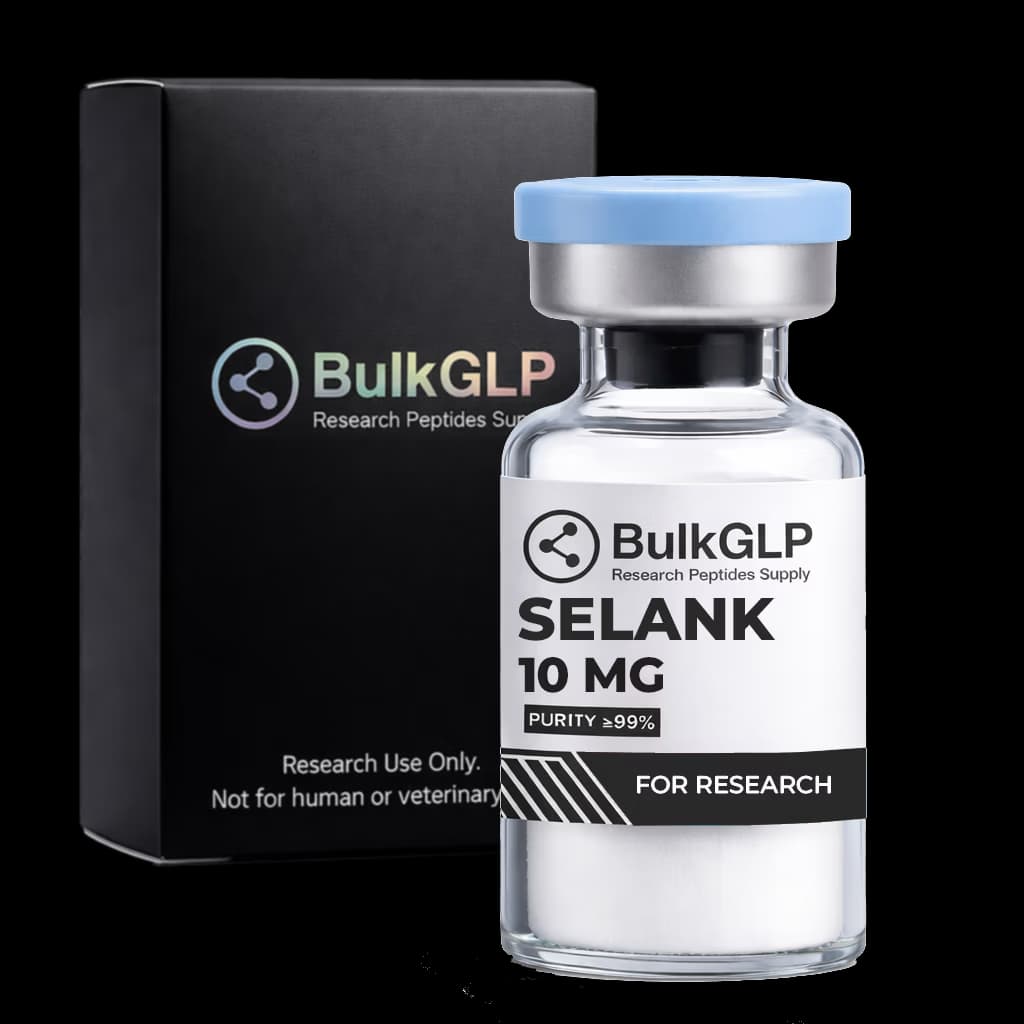 In stock
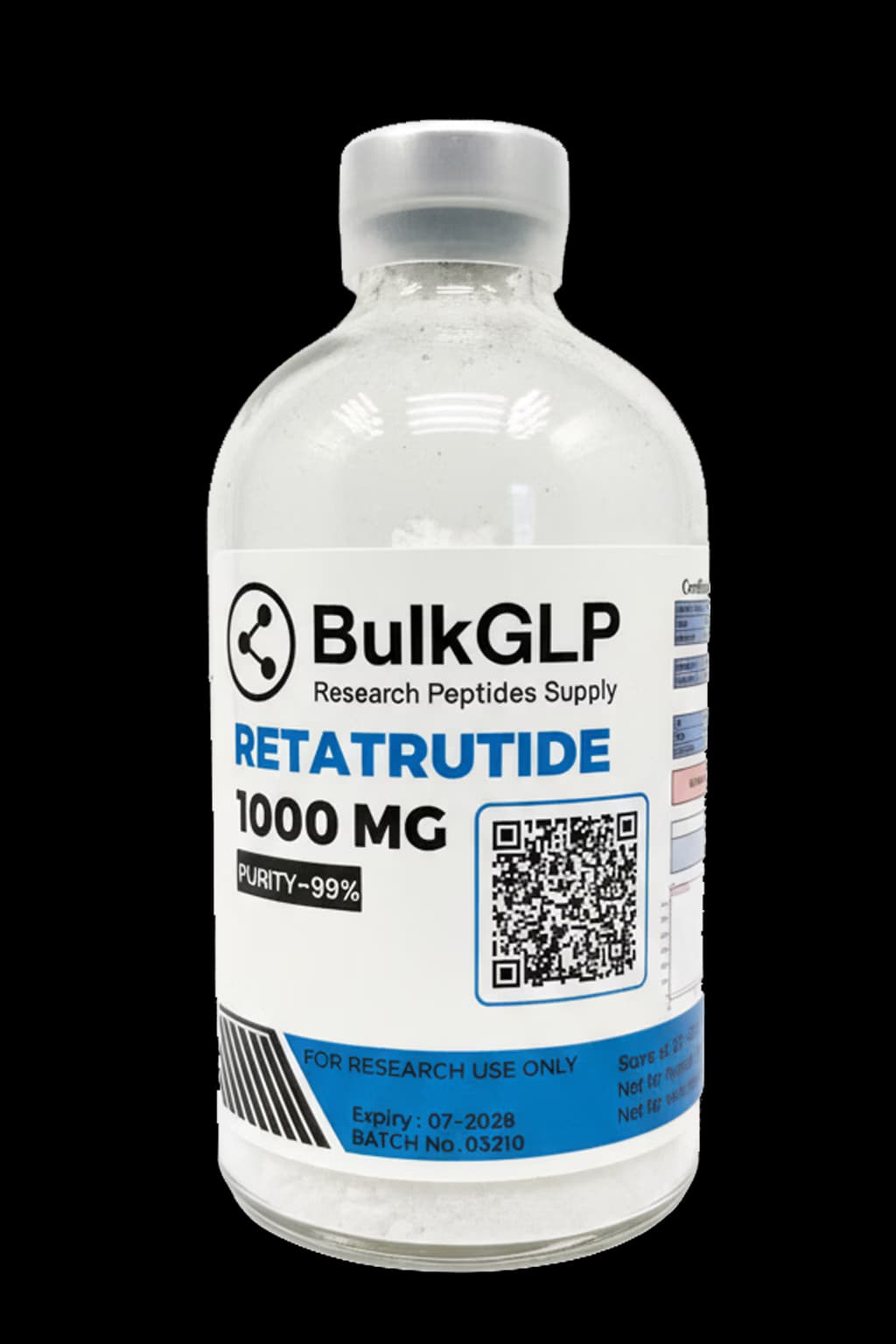 In stock
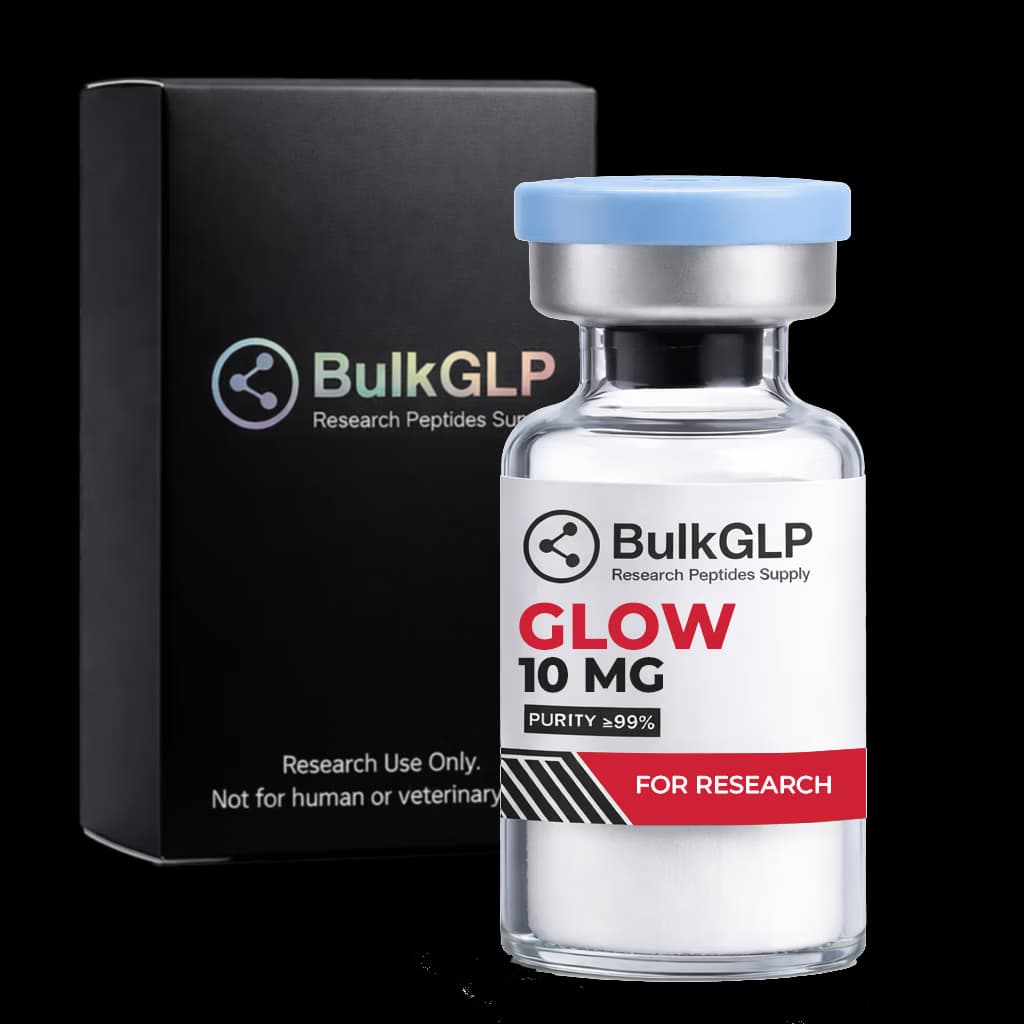 In stock
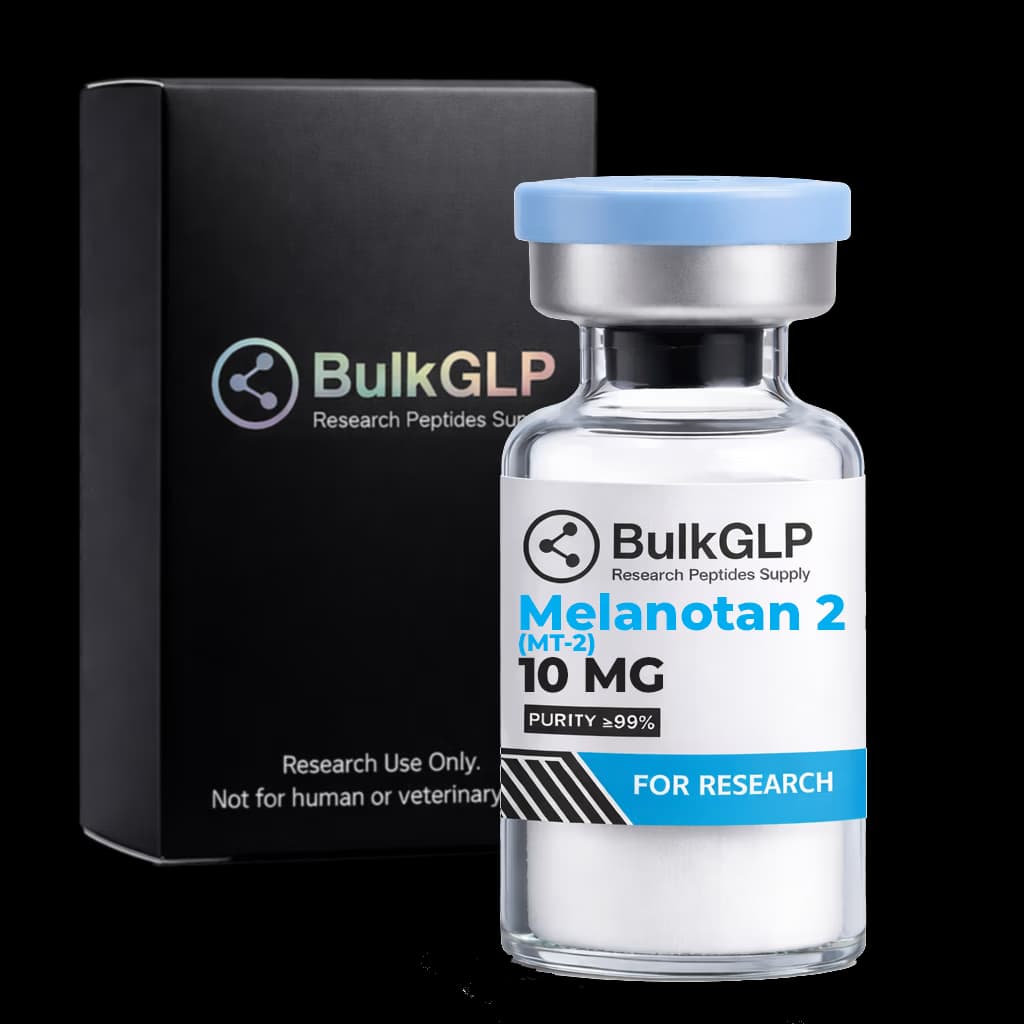 In stock
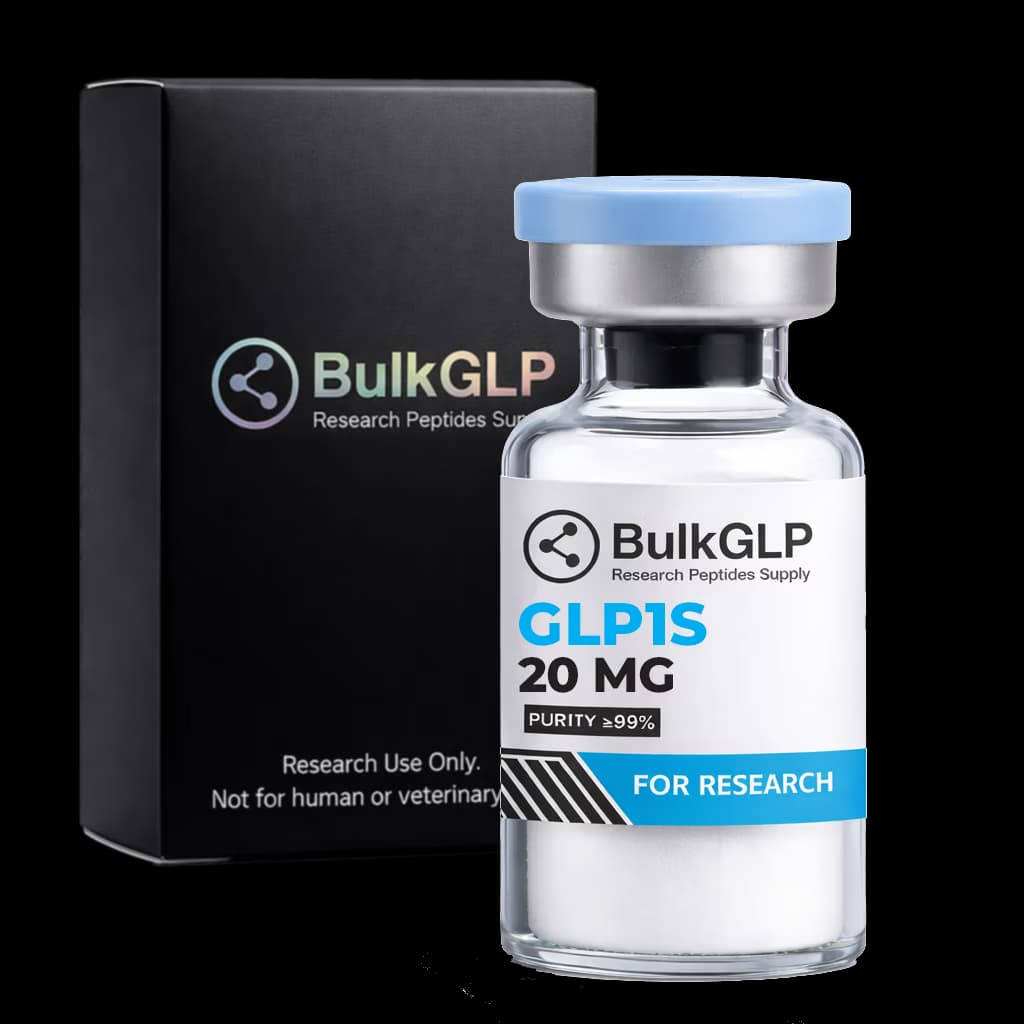 In stock
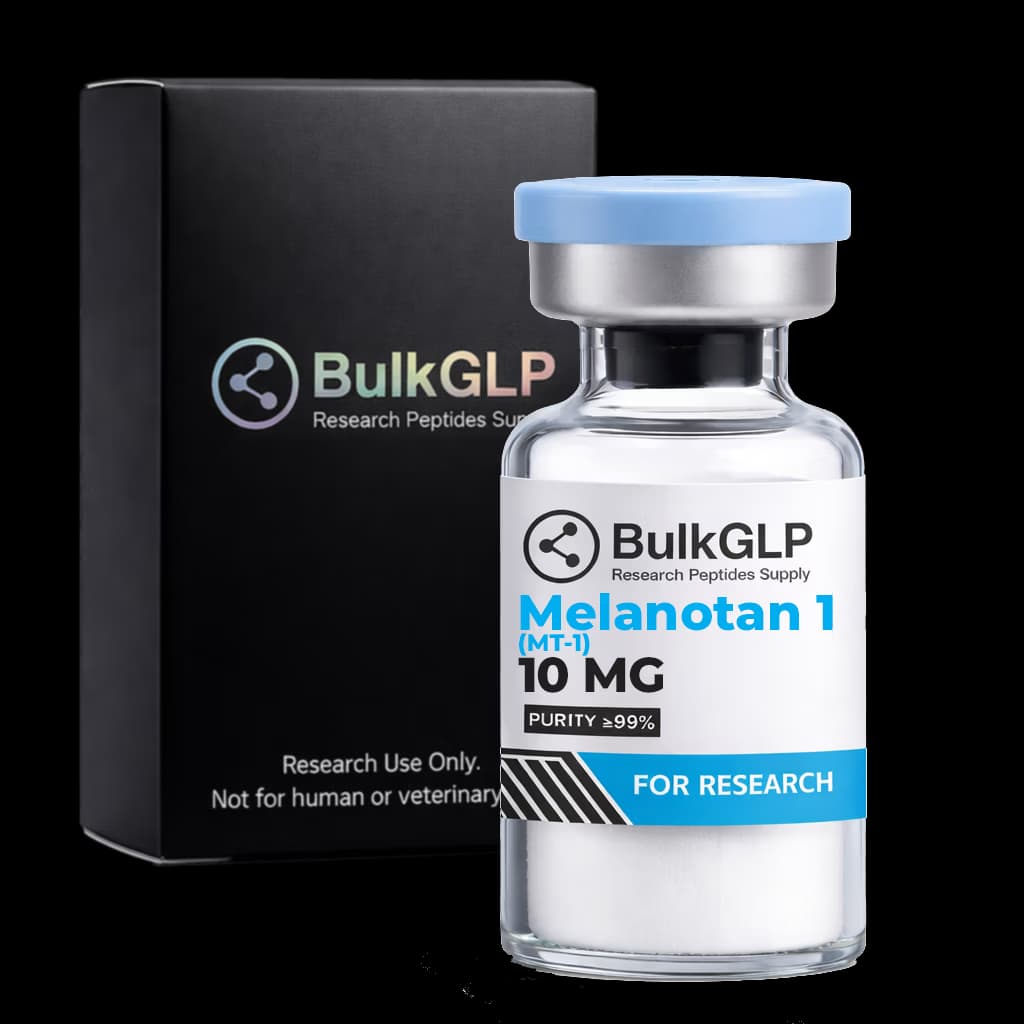 In stock
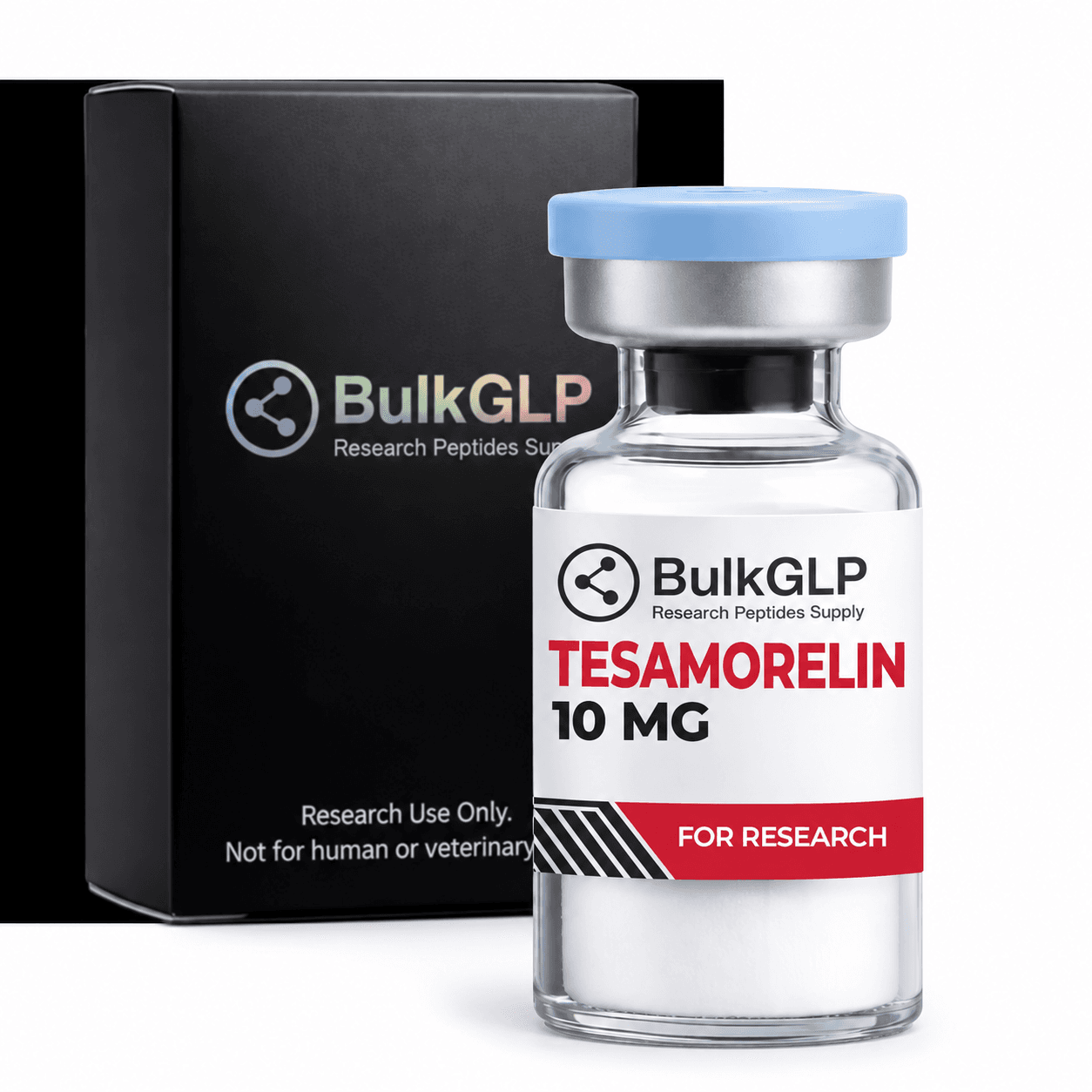 In stock
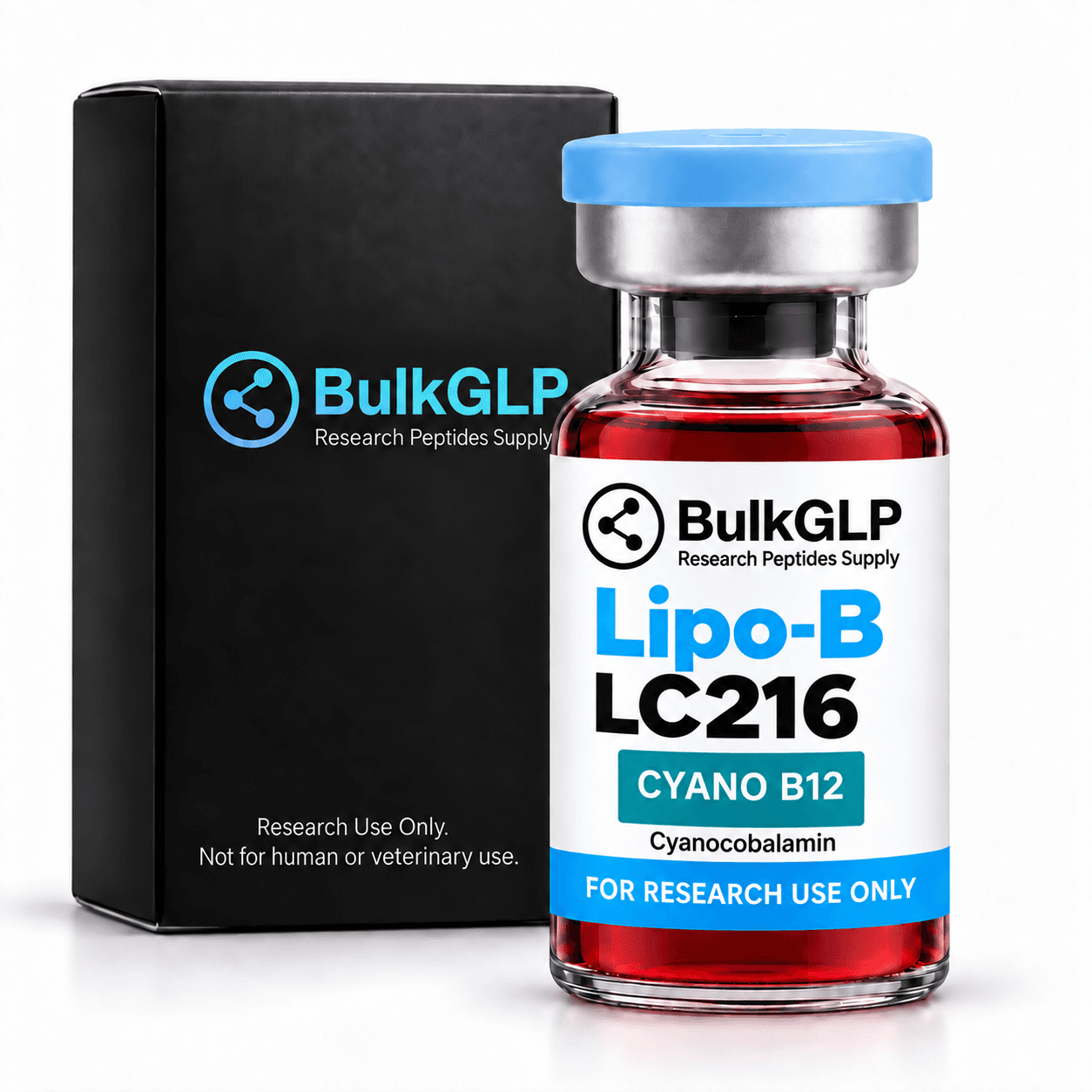 In stock
 In stock
 In stock
 In stock
 In stock
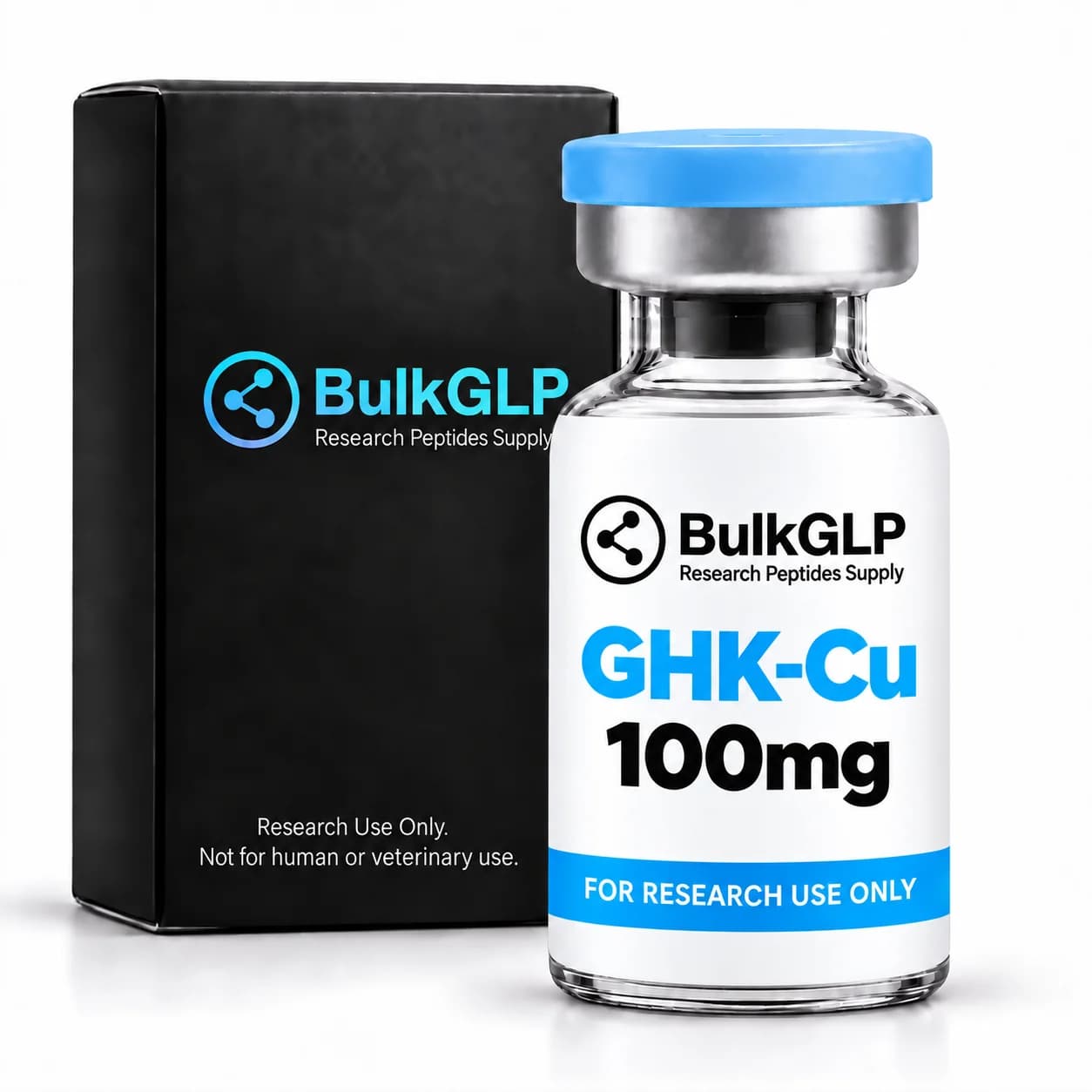 In stock
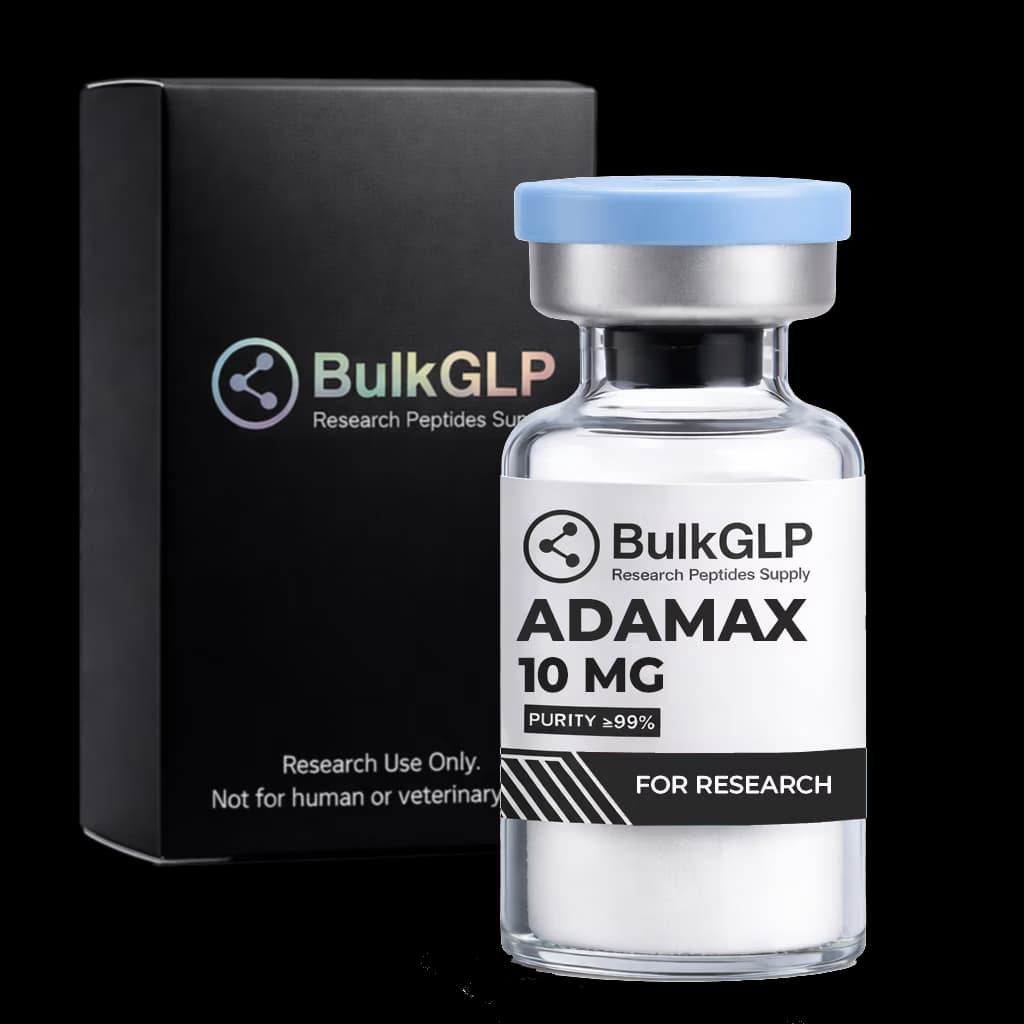 In stock
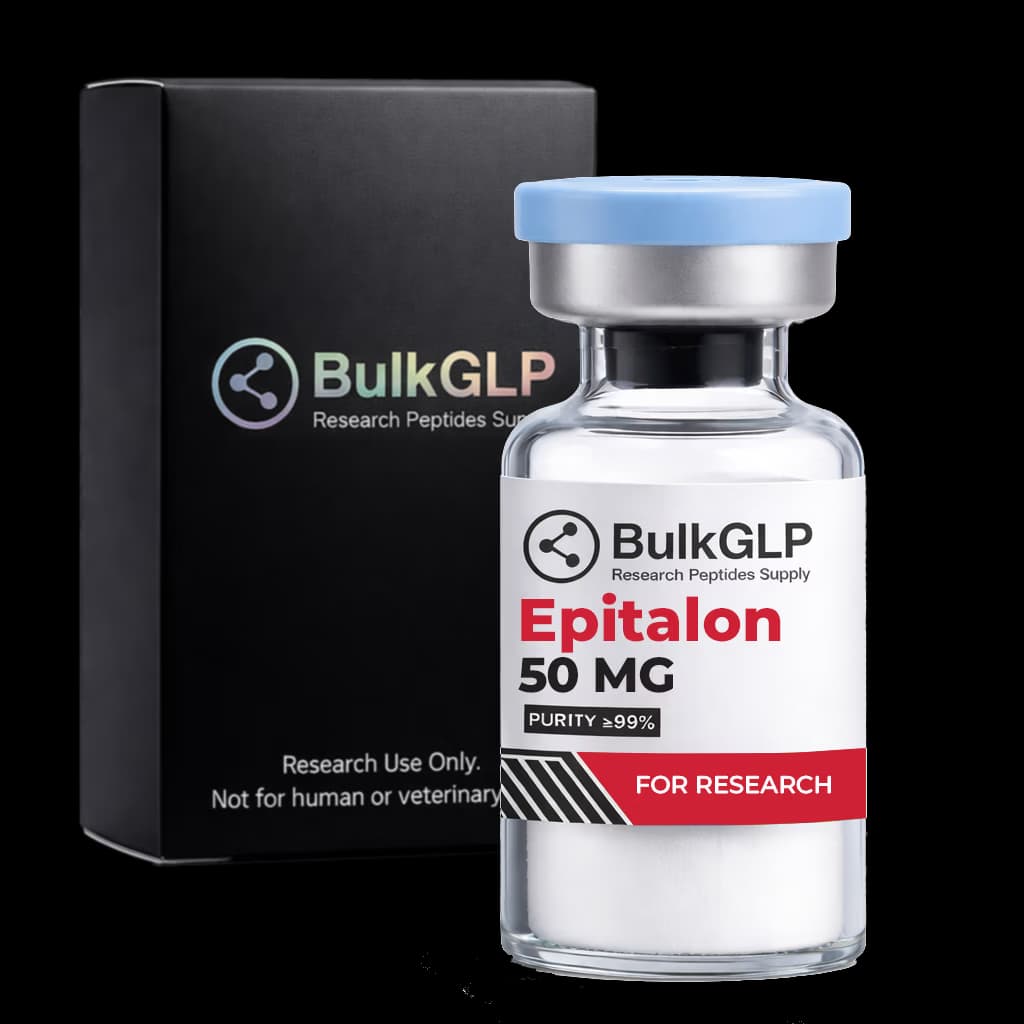 In stock
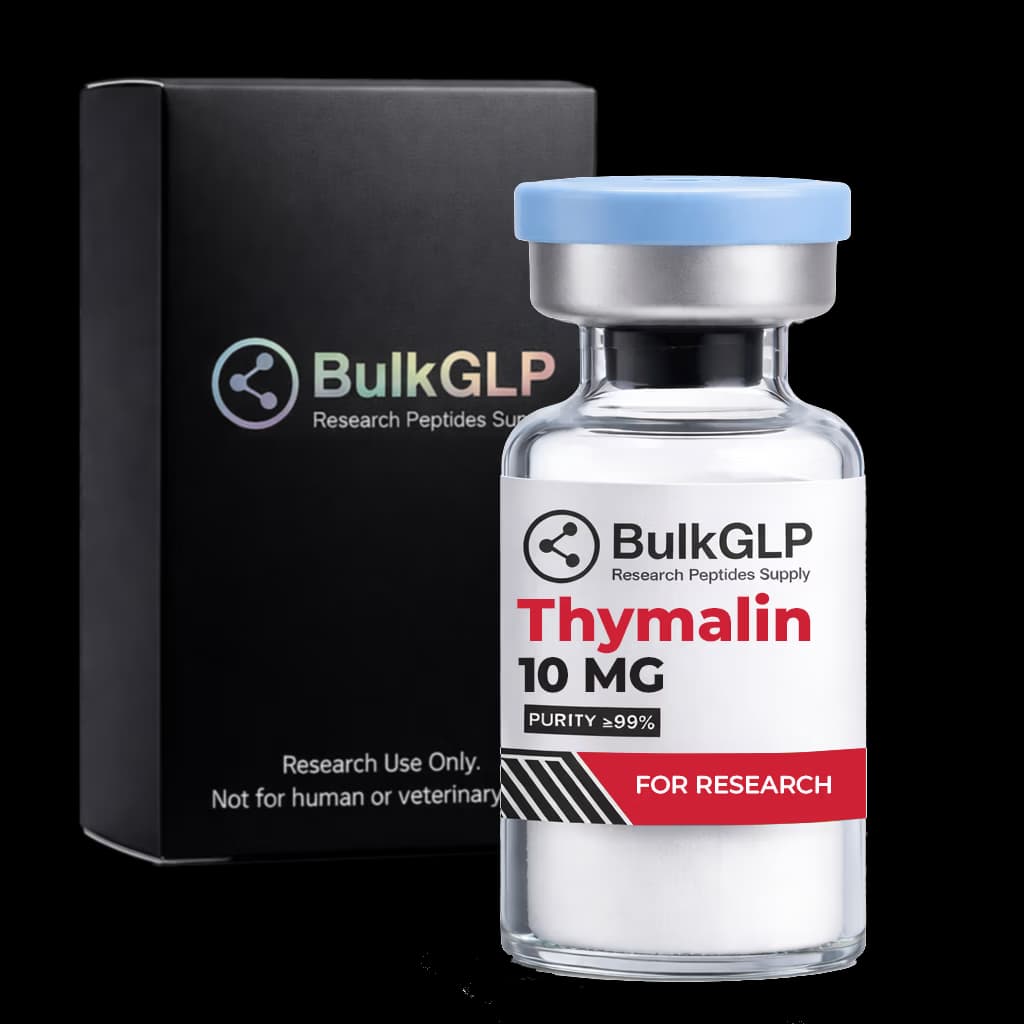 In stock
 In stock
 In stock
 In stock
 In stock
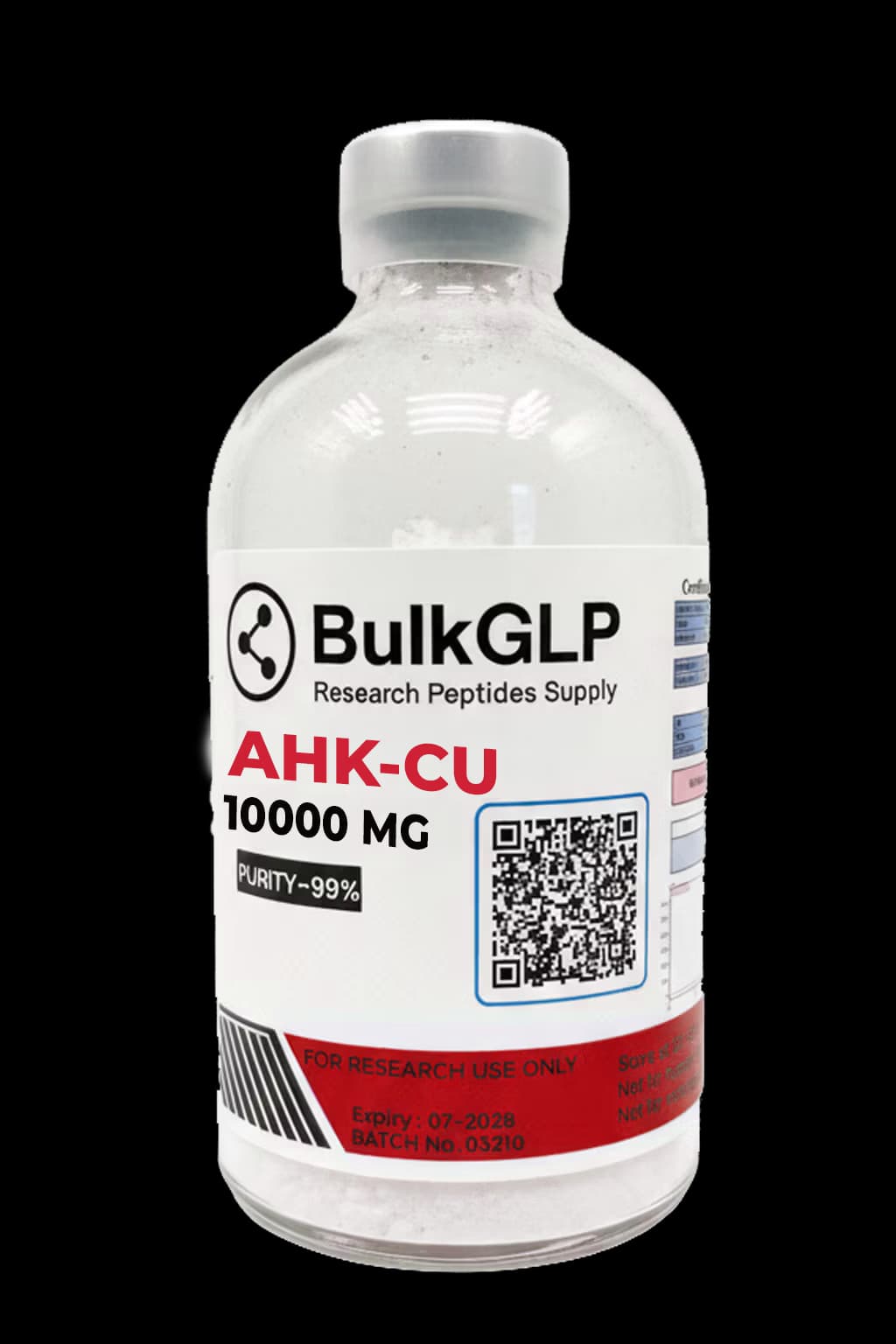 In stock
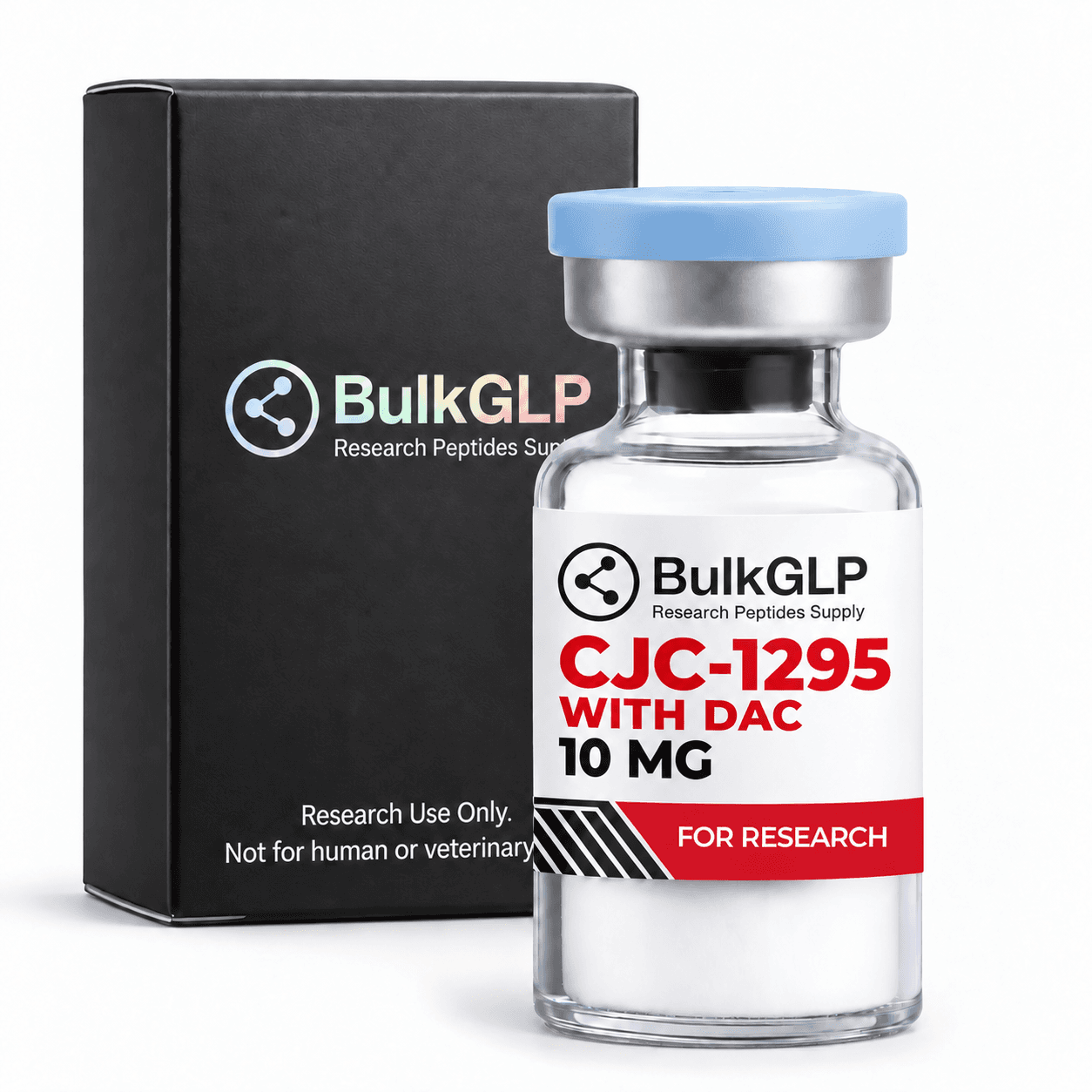 In stock
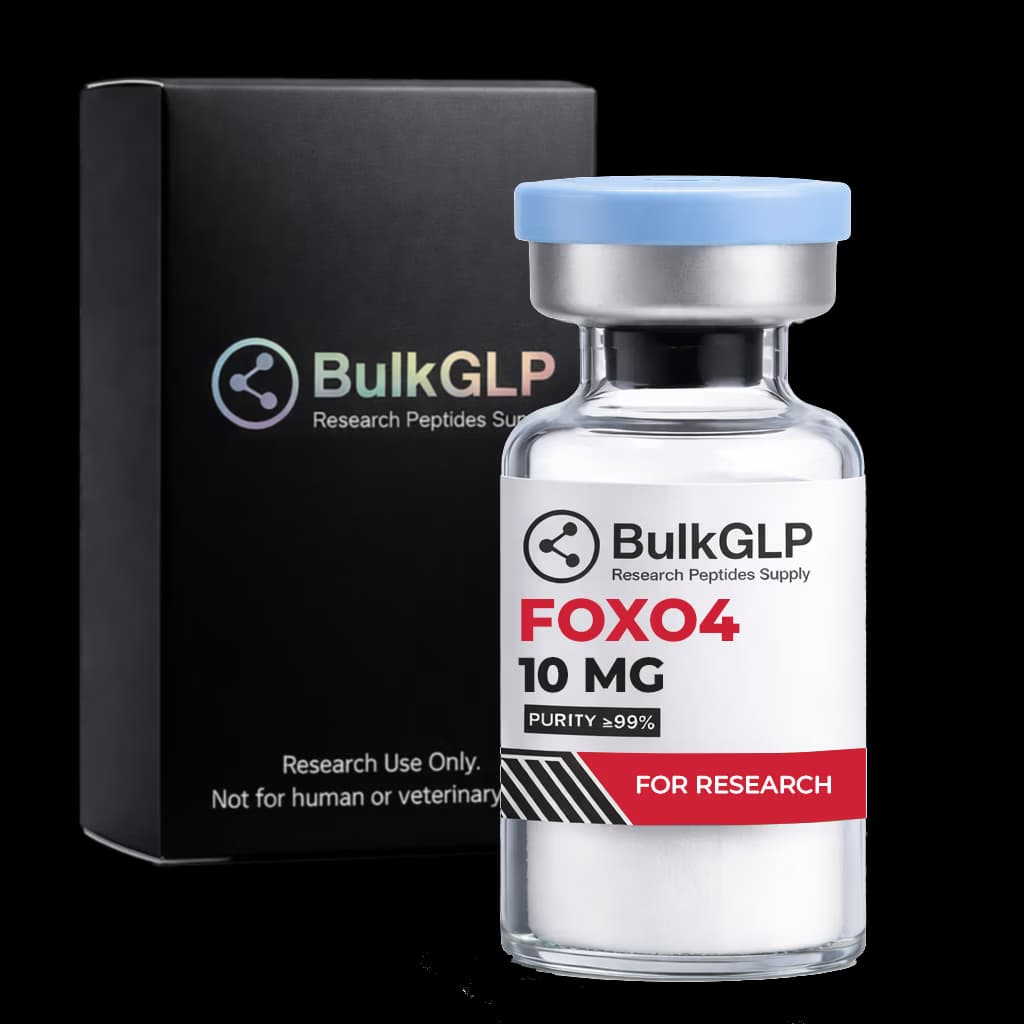 In stock
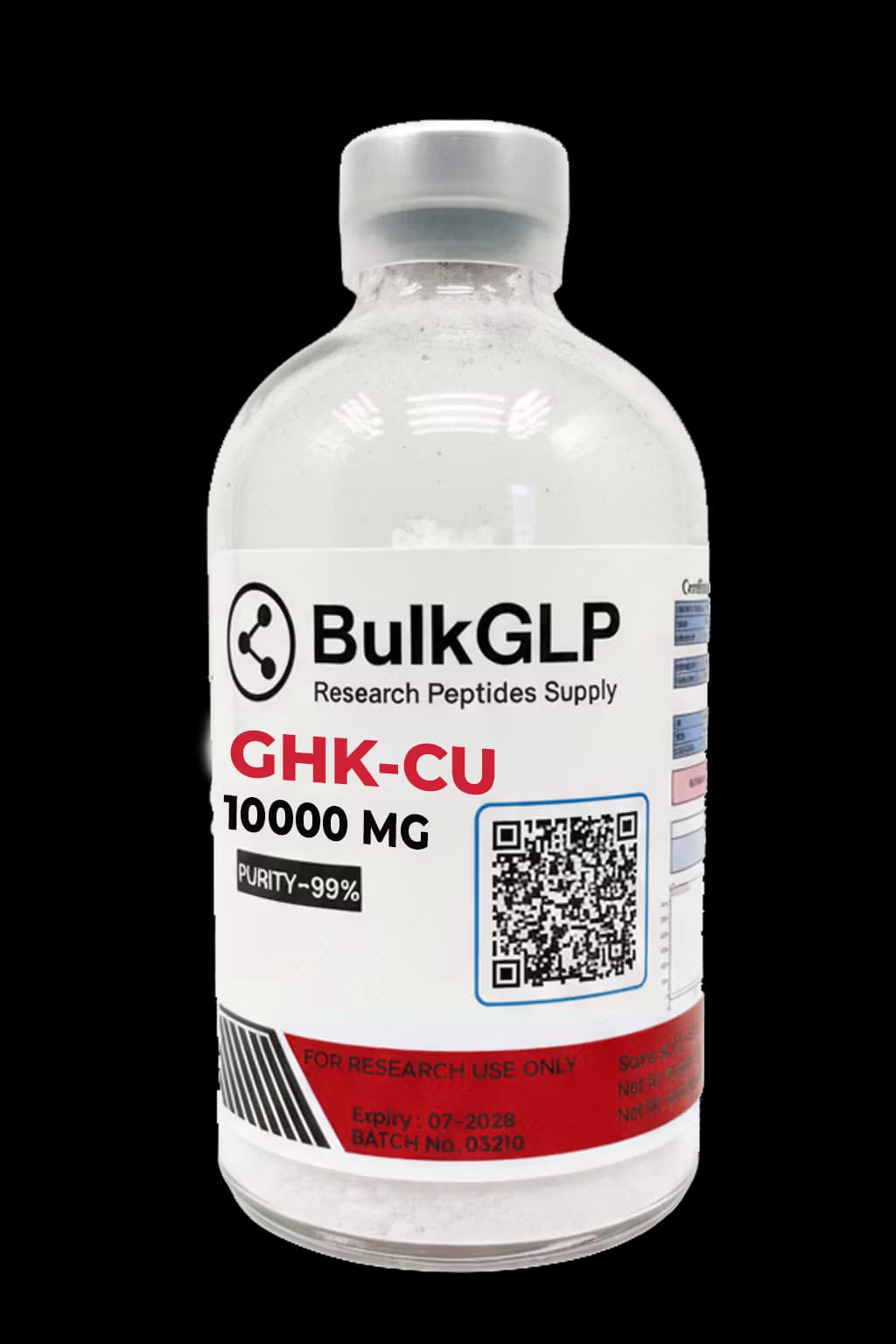 In stock
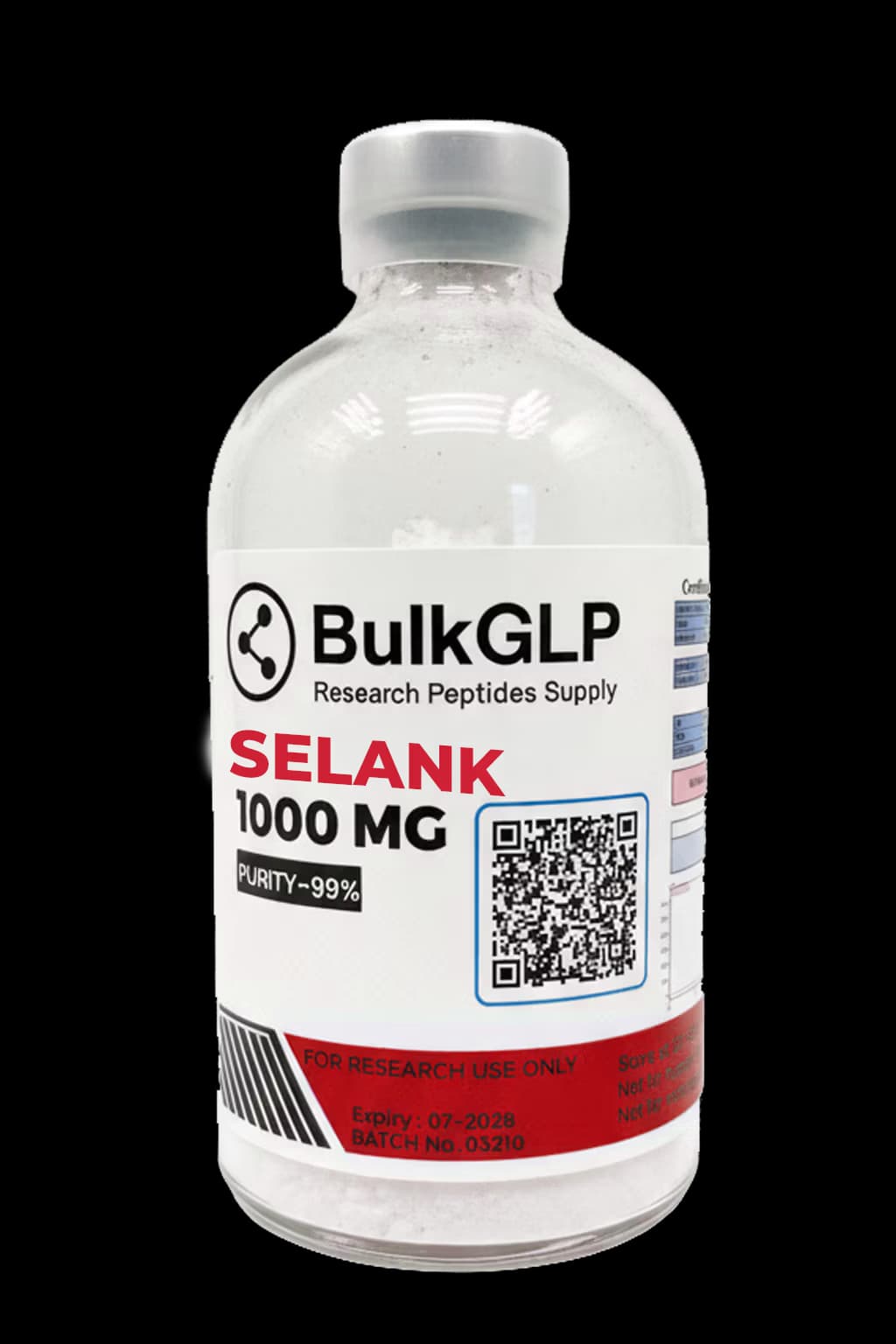 In stock
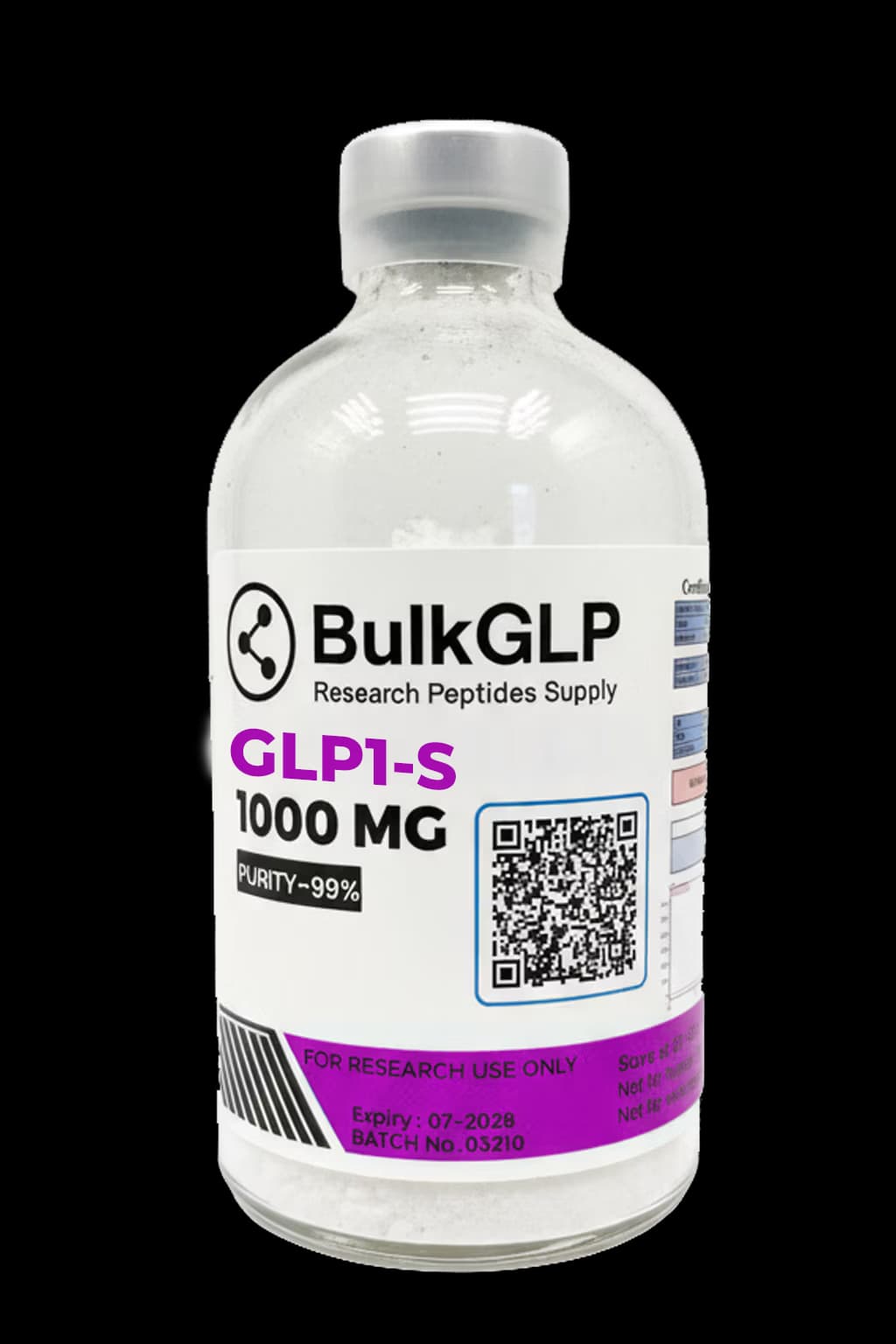 In stock
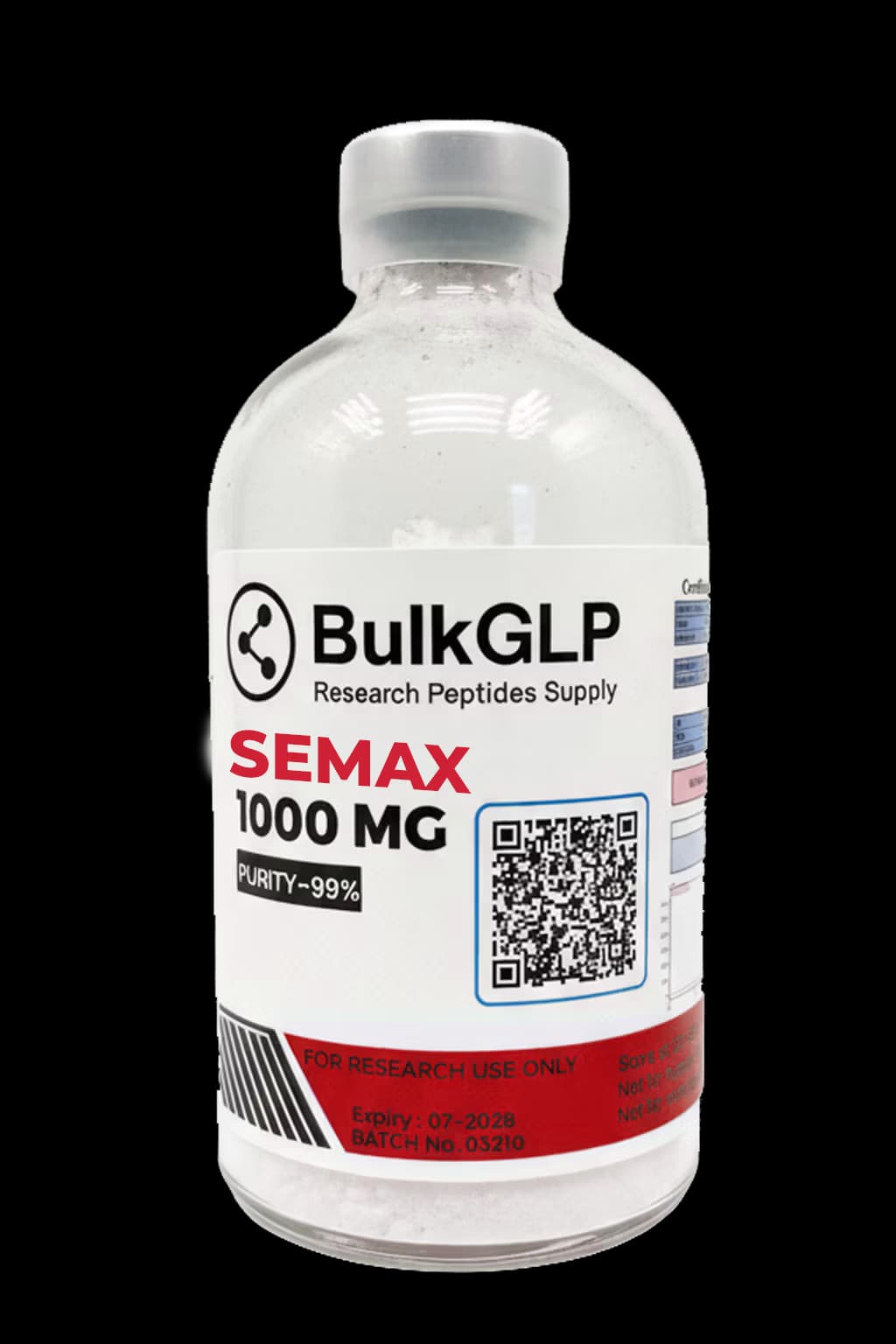 In stock
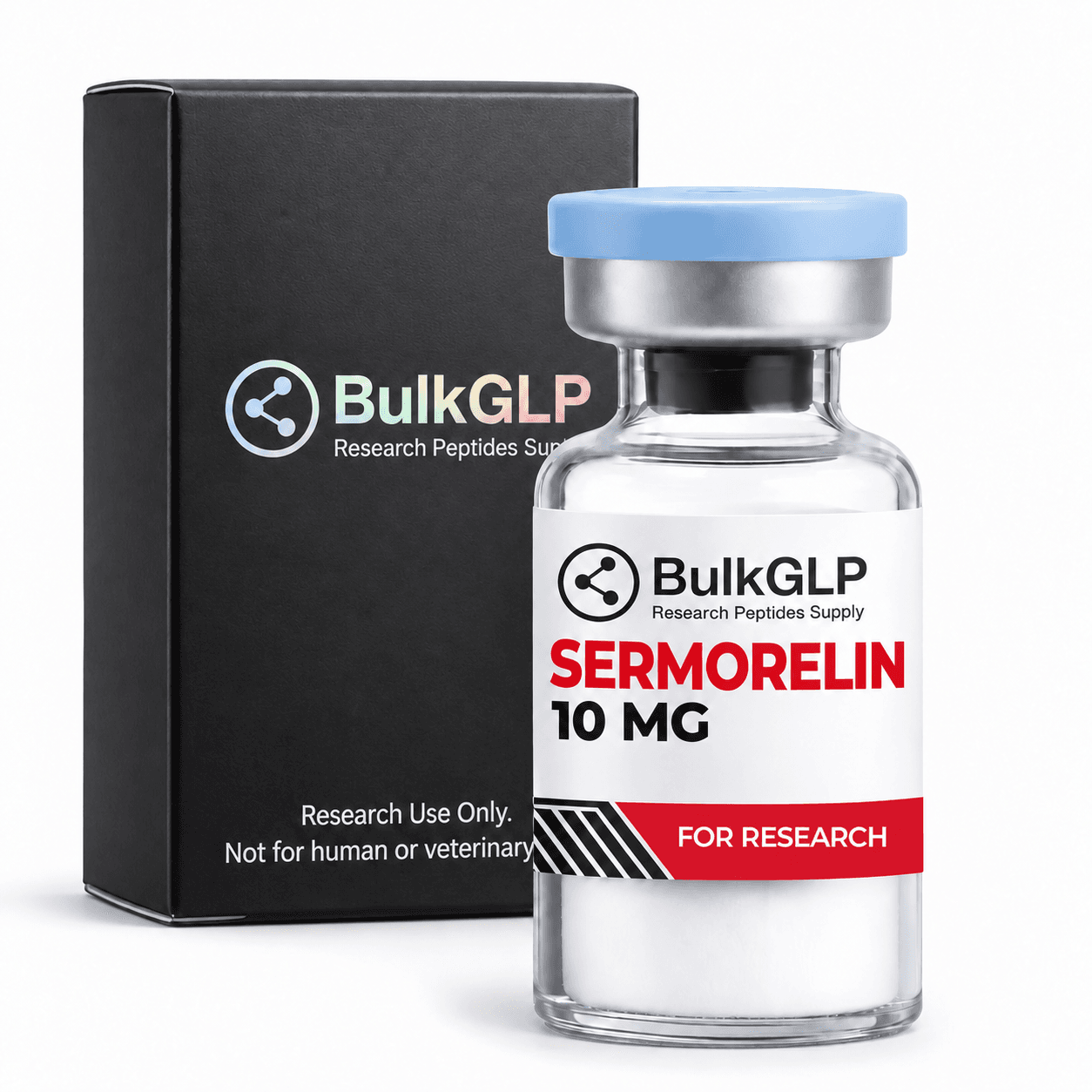 In stock
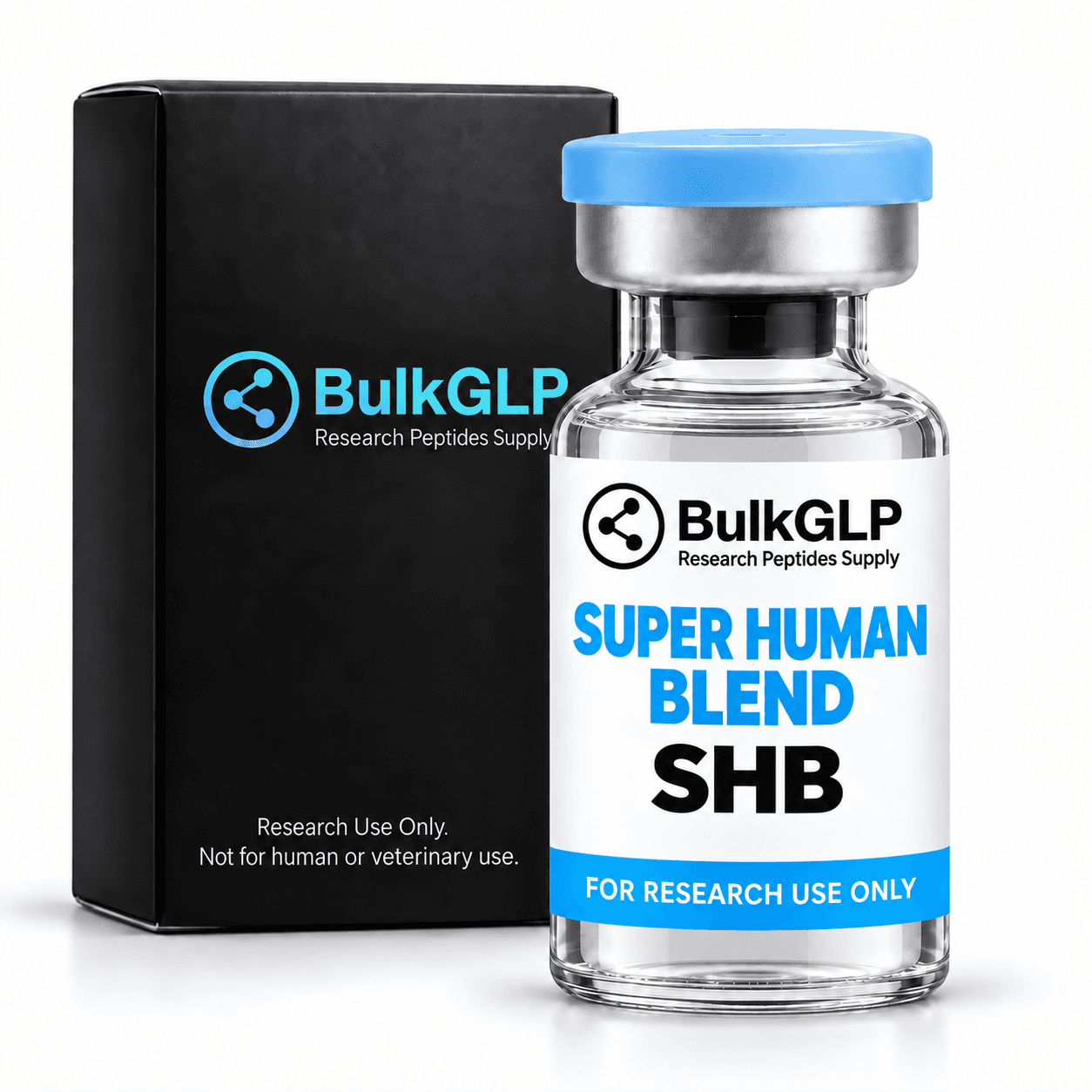 In stock
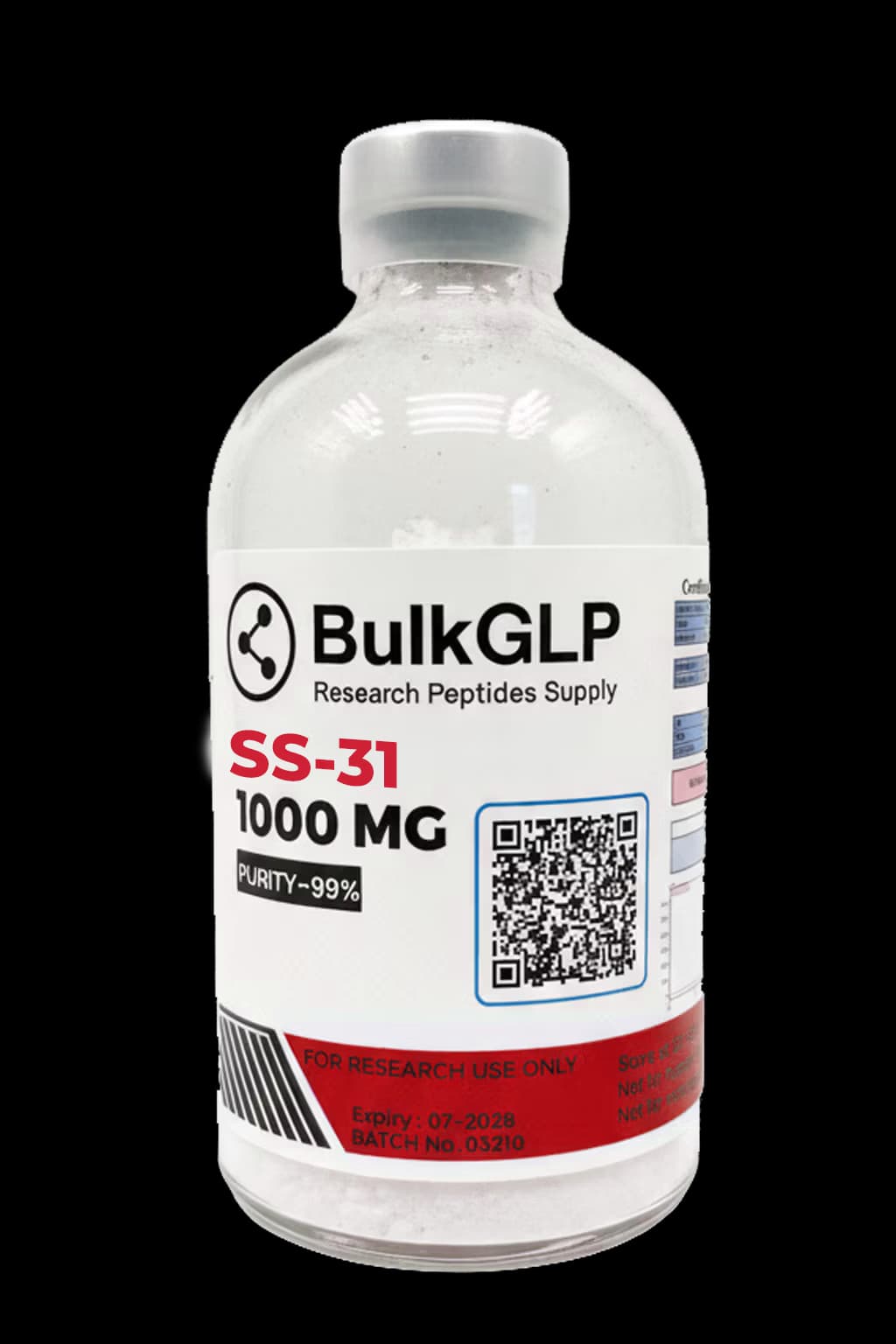 In stock
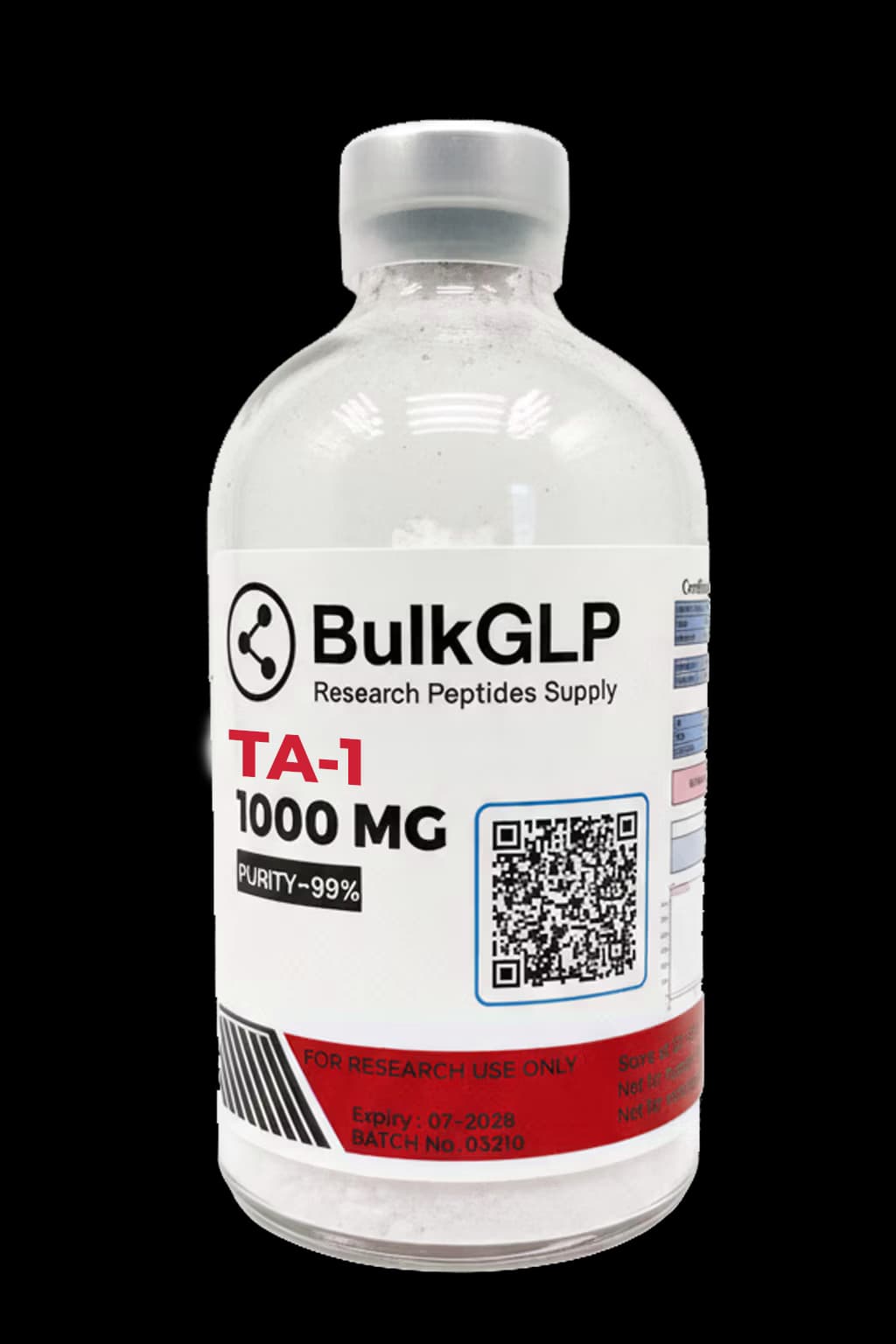 In stock
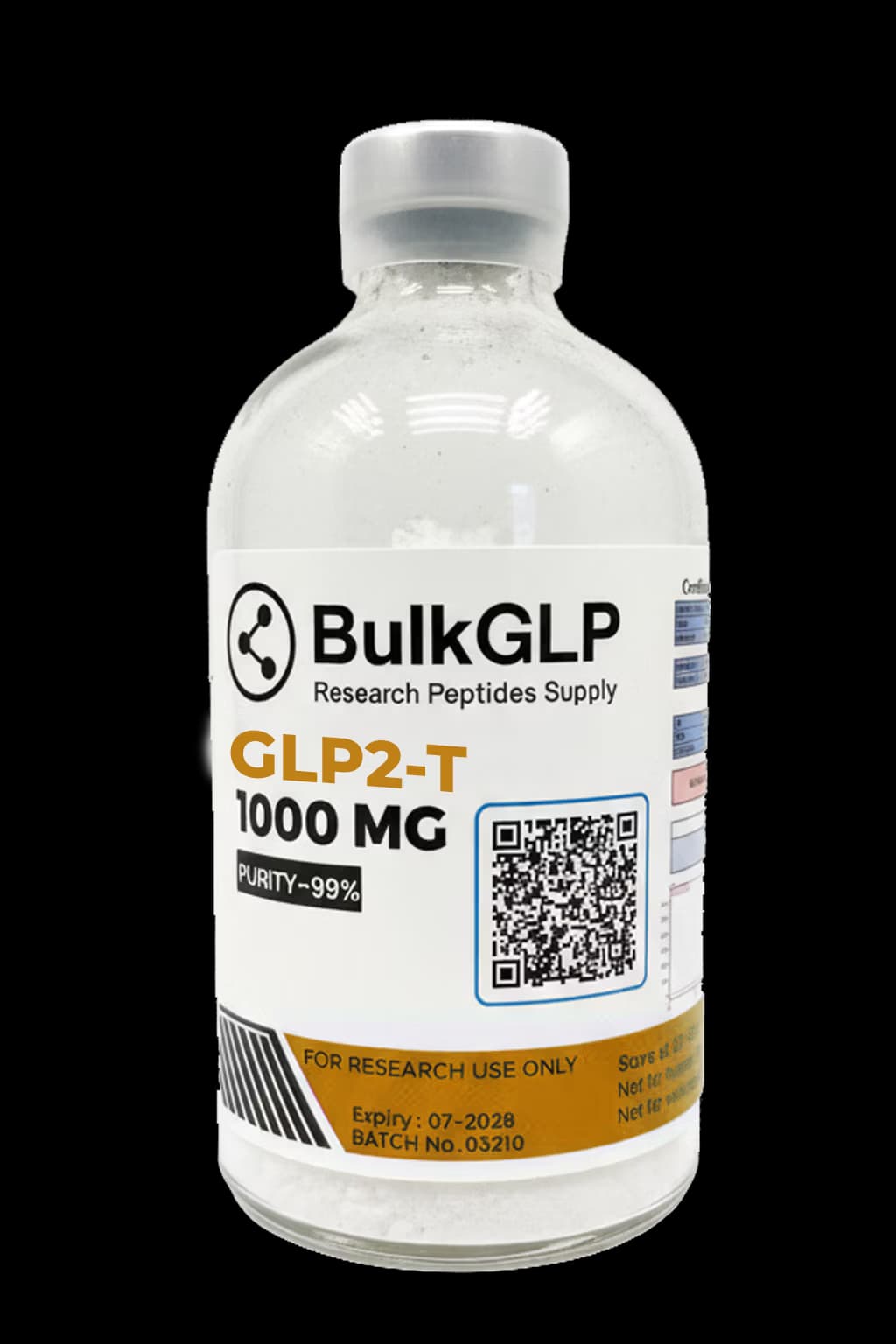 In stock
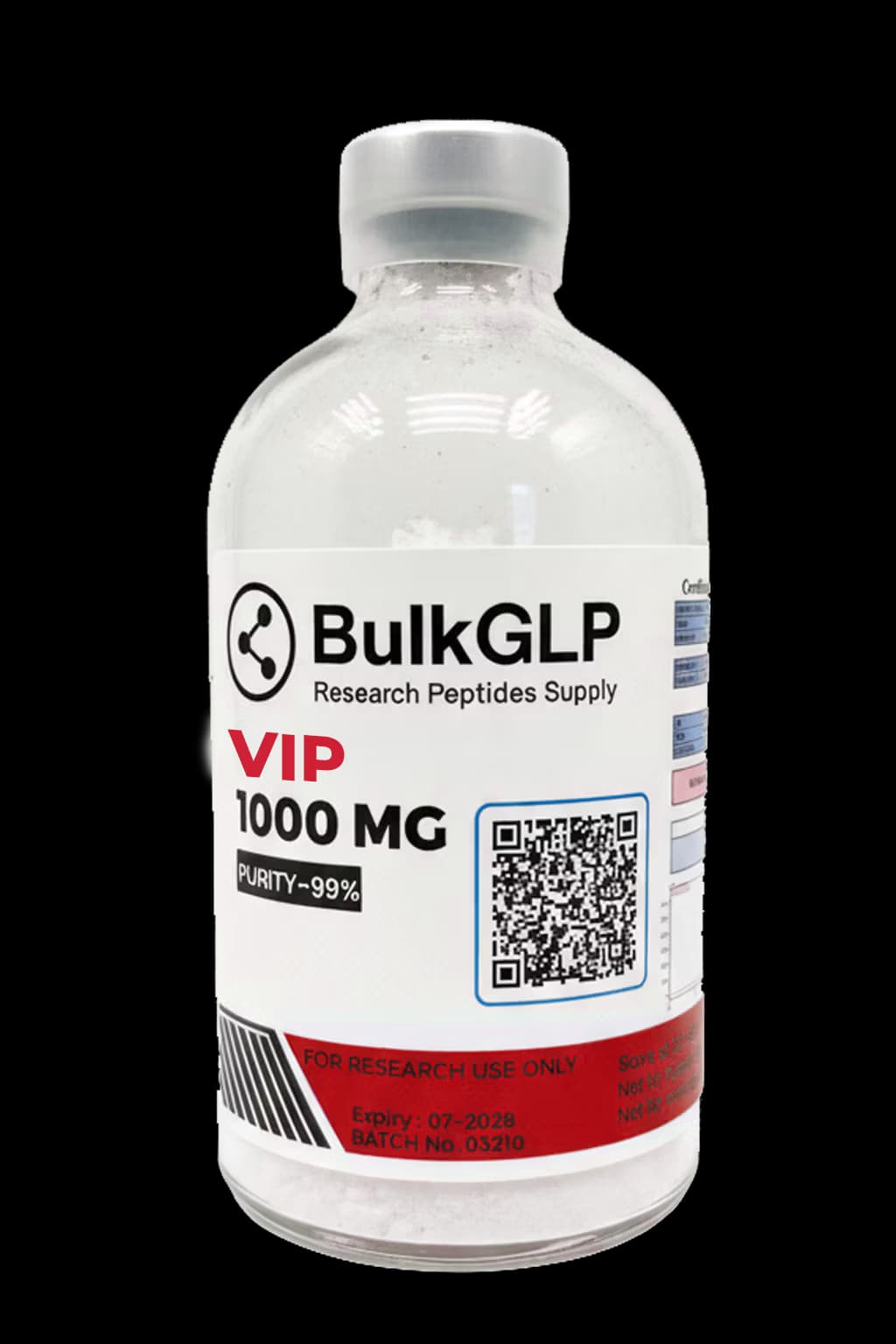 In stock
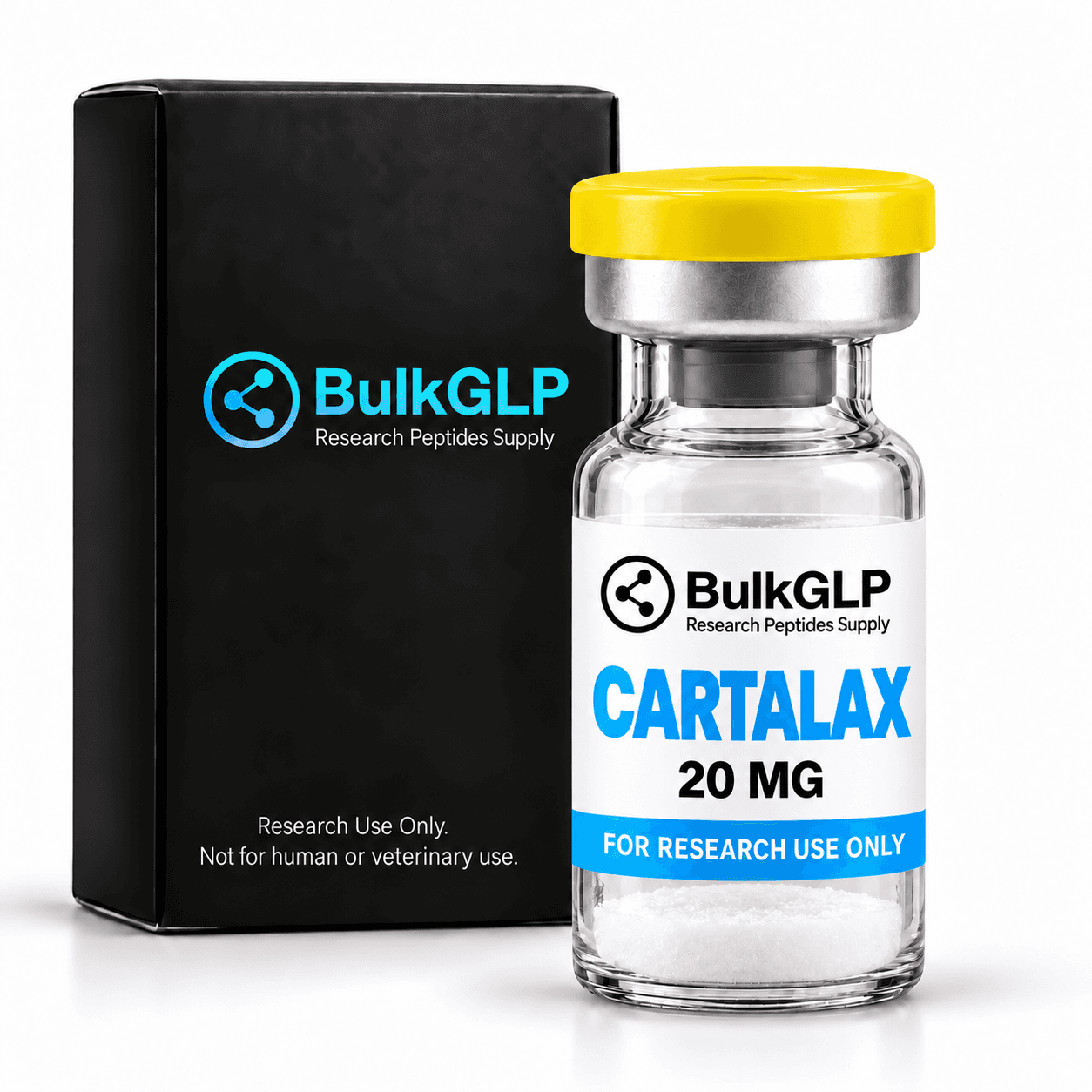 In stock
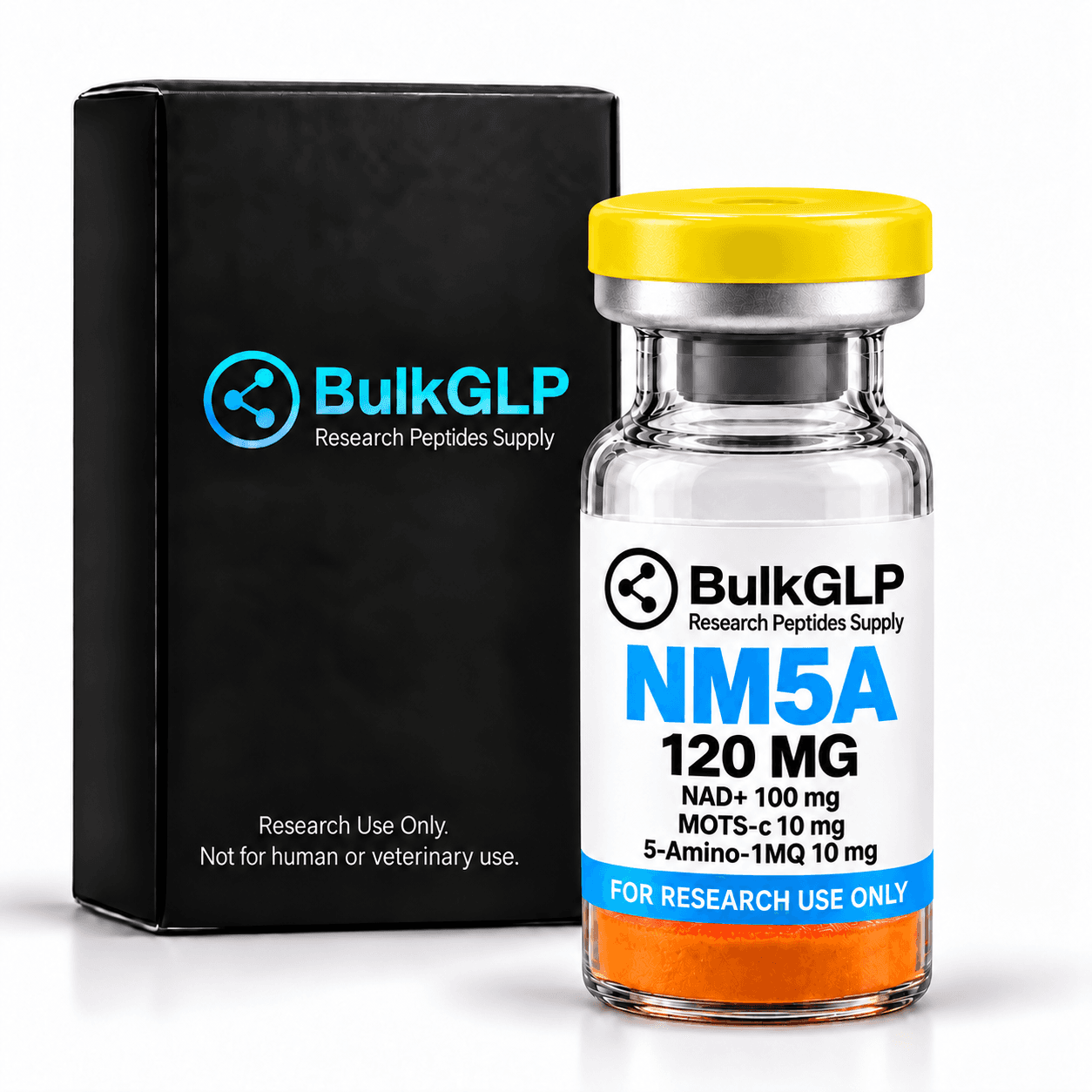 In stock
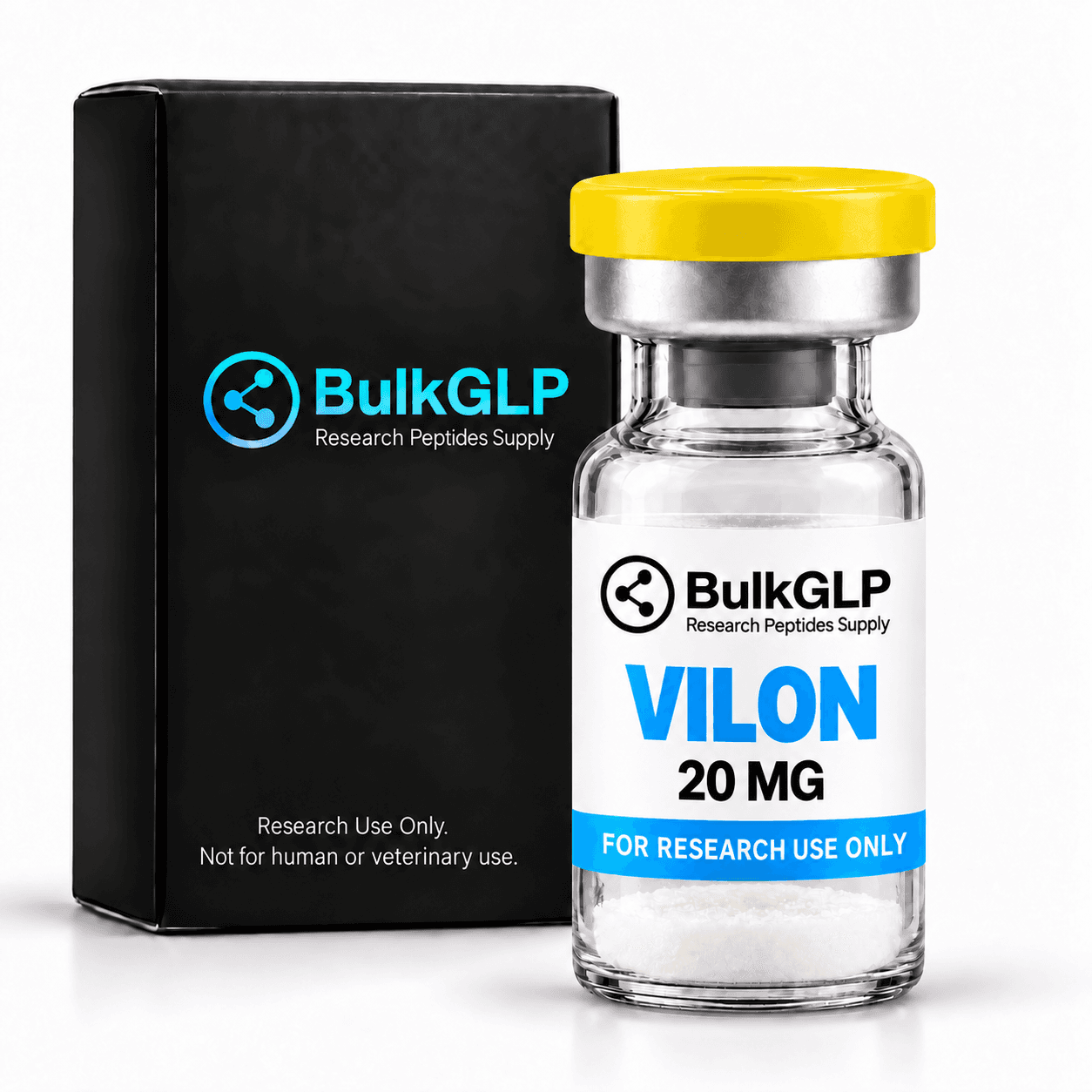 In stock
DOCUMENTATION COMES FIRST
Match the product and lot number to the corresponding certificate of analysis. Results apply to the material identified in that report.
Explore the COA archiveReview the compound, size and formulation before selecting a research format.
Find the documentation associated with the material and lot you are researching.
Materials are supplied for laboratory research, not human or veterinary use.
BULKGLP LEARN
BULKGLP AFFILIATES
A 10% commission, a 30-day referral window and a clear ledger for your research-focused audience.